Kenya’s health crisis deepens as doctors threaten to join nurses’ strike

 13 oC
13 oC 
Güneşli

Kenya’s healthcare crisis is worsening as a nationwide nurses’ strike enters its sixth week, with doctors warning they could also walk off the job unless the government resolves the ongoing dispute.
Dr. Davji Bhimji Atellah, Secretary General of the Kenya Medical Practitioners, Pharmacists and Dentists Union (KMPDU), said doctors have been forced to shoulder much of the work normally performed by striking nurses, adding that the current workload is unsustainable.
Atellah noted that hospitals are already facing a shortage of doctors and stressed that the country’s healthcare system can only function effectively through teamwork. The doctors’ union has given the government seven days to address the nurses’ demands, warning that it will issue a formal strike notice if no progress is made.
Nine-year dispute over unpaid benefits
The nurses’ strike stems from the government’s failure to implement a collective bargaining agreement signed after a six-month strike in 2017.
The government has cited budget constraints as the reason for not honoring the agreement. Nurses, however, argue that years of delayed implementation have denied them benefits they have long earned.
Kenya National Union of Nurses Secretary General Seth Panyako accused the government of failing to prioritize healthcare funding during budget planning, saying ordinary Kenyans are paying the price as hospitals struggle to provide services.
On Tuesday, hundreds of nurses marched to the headquarters of the Council of Governors, which represents Kenya’s 47 county governments, demanding the payment of outstanding salaries and allowances.
One of the protesters, nurse James Murimi, said the 2017 return-to-work agreement included improvements to uniform and nursing service allowances, but those payments have never been adjusted. He estimated that the government now owes nurses nearly nine years of accumulated benefits.
Hospitals under growing pressure
The healthcare crisis has also reached Kenya’s Senate, where lawmakers on Tuesday raised concerns over the closure of dispensaries and health facilities in several counties.
Nandi Senator Samson Cherargei described the situation as a national crisis, alleging that some areas have recorded a significant rise in deaths. He blamed both the Council of Governors and the Salaries and Remuneration Commission for the impasse.
Council of Governors Chairperson Ahmed Abdullahi last week urged nurses to end the strike and allow more time for negotiations. He also noted that a court had declared the ongoing strike illegal, adding that county governments could take disciplinary action against striking nurses.
Despite those appeals, no agreement has been reached between the government and healthcare workers, raising the prospect of doctors joining the industrial action.
With staffing shortages, unpaid allowances and unimplemented labor agreements continuing to strain the healthcare system, pressure on Kenya’s hospitals is mounting as medical workers demand that long-delayed commitments be honored.(ILKHA)
LEGAL WARNING: All rights of the published news, photos and videos are reserved by İlke Haber Ajansı Basın Yayın San. Trade A.Ş. Under no circumstances can all or part of the news, photos and videos be used without a written contract or subscription.

Iraqi energy expert Nabil al-Marsoumi has explained how tankers carrying Iraqi oil are continuing to pass through the Strait of Hormuz amid heightened regional tensions.

The water level of the Danube River in Hungary’s capital Budapest has dropped to a historic low, disrupting river transportation and negatively affecting tourism in the city.
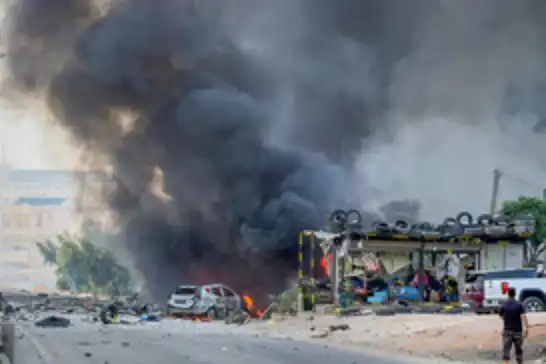
The death toll from an explosion at a temporary ammunition depot near the town of Sarmada in Syria’s northwestern Idlib province has risen to 14, while 11 others were injured, according to Syrian authorities.