Nigeria sets February 2027 for presidential and parliamentary elections
 13 oC
13 oC 
Güneşli

Nigeria will hold its next presidential and National Assembly elections on February 20, 2027, the country’s electoral body has announced, formally launching preparations for what is expected to be a closely watched vote in Africa’s most populous nation.
The Independent National Electoral Commission (INEC) said governorship and state assembly elections will follow on March 6, 2027. INEC Chairman Joash Ojo Amupitan described the timetable as a “significant milestone” in Nigeria’s democratic journey.
The February vote will determine Nigeria’s next president and vice president, as well as members of the Senate and House of Representatives. Governorship races will be held in most states in March, along with elections for state Houses of Assembly. A handful of states will not hold governorship elections at that time due to constitutional scheduling differences tied to previous court rulings.
Under Nigeria’s electoral system, a presidential candidate must not only win the most votes nationwide but also secure at least 25% of the vote in two-thirds of the country’s 36 states and the Federal Capital Territory to avoid a runoff.
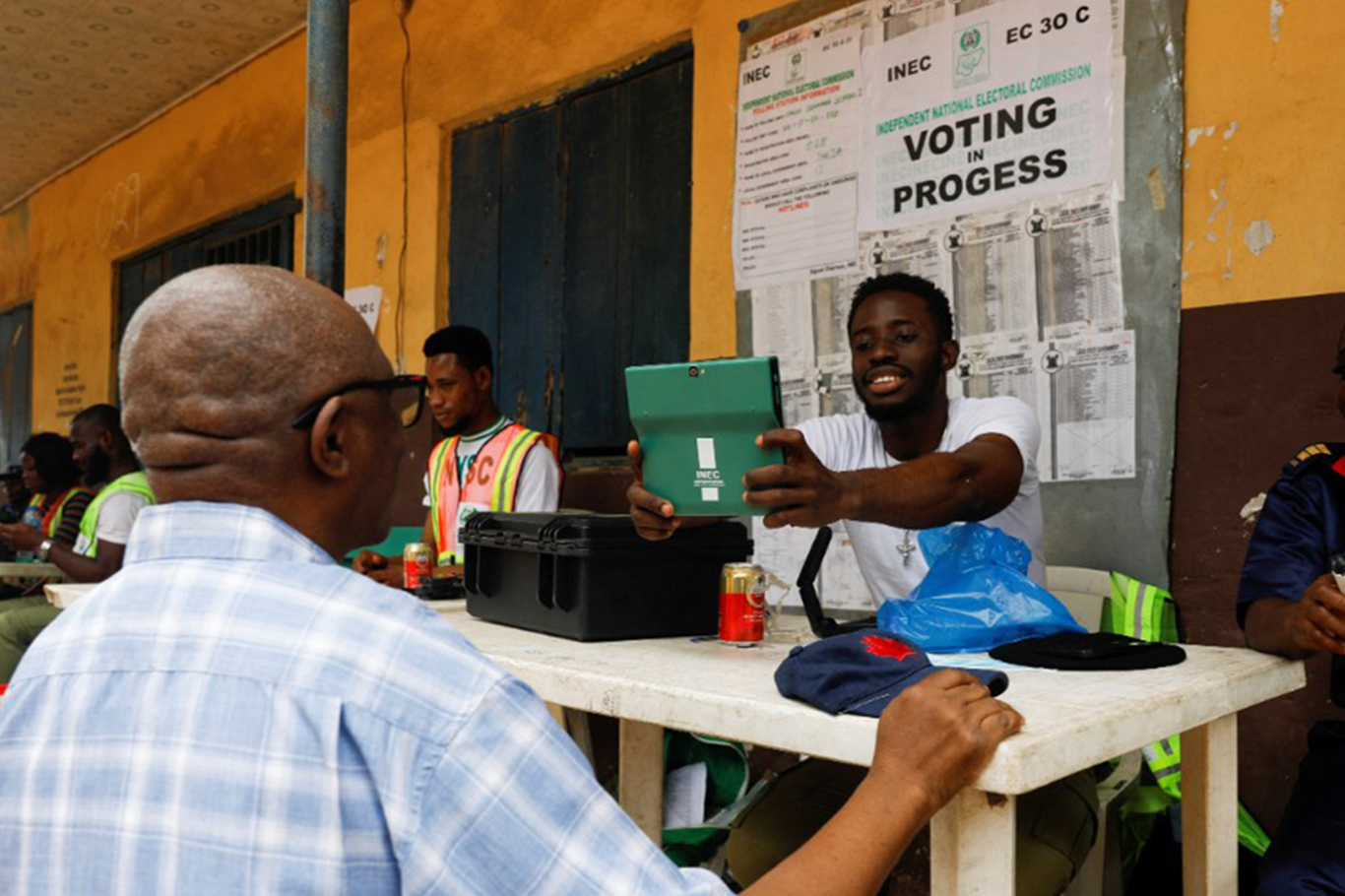
The announcement comes amid renewed debate over electoral transparency and technology. Although INEC has introduced digital accreditation tools and result-upload systems in recent years, public confidence in the electoral process remains fragile, and post-election court challenges are common.
Earlier this week, the Nigerian Senate passed an amendment authorizing the real-time electronic transmission of election results, reversing an earlier position after public and political pressure. Supporters say the reform could strengthen transparency, while critics question whether nationwide infrastructure is robust enough to support seamless implementation.
The election timeline also sets the stage for a new political contest involving President Bola Ahmed Tinubu, who is expected to seek a second term.
Tinubu, elected in February 2023 with about 36% of the vote in a three-way race, has faced mounting criticism at home over economic hardship. His administration’s reforms — including subsidy removals and currency adjustments — have coincided with high inflation, rising living costs, and a weakened naira, fueling public frustration.
At the same time, Nigeria continues to grapple with security challenges, including jihadist attacks and kidnappings in various regions, drawing concern from international partners.
Opposition figures are already signaling their intentions for 2027. Former vice president Atiku Abubakar and Labour Party candidate Peter Obi, who performed strongly in 2023, are widely expected to play prominent roles in the upcoming race.
Voter turnout in the 2023 presidential election stood at just 26%, significantly lower than in previous cycles. Analysts say boosting participation and restoring confidence in the process will be critical ahead of 2027.
With nearly two years to go, INEC’s early release of the timetable provides political parties and candidates time to organize primaries and campaign strategies. It also signals the beginning of what is likely to be an intense electoral season in Africa’s largest democracy. (ILKHA
LEGAL WARNING: All rights of the published news, photos and videos are reserved by İlke Haber Ajansı Basın Yayın San. Trade A.Ş. Under no circumstances can all or part of the news, photos and videos be used without a written contract or subscription.

Two people were killed and nine others injured after a man drove a car into a group of pedestrians in the northwestern French city of Caen late Wednesday, authorities said.
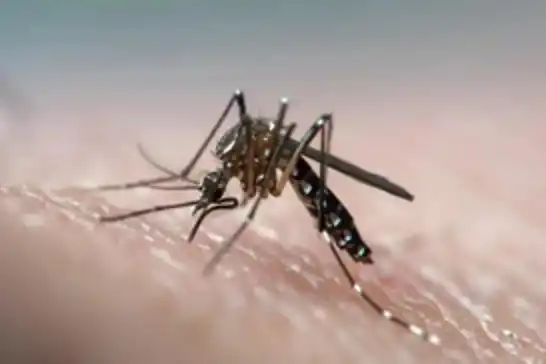
Greece has recorded a sharp increase in West Nile virus infections, with 75 new cases reported between August 19 and 26, while the death toll from the virus has risen to 19, according to the National Public Health Organization (EODY). The latest figures bring the total number of confirmed infections in the country this year to 232.
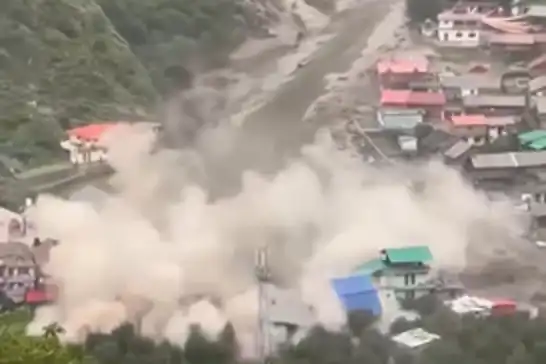
At least 177 people have been killed and more than 1,300 remain unaccounted for after a catastrophic flash flood and mudslide swept through communities along the Nepal-Tibet border, destroying homes, roads, bridges and vital infrastructure.
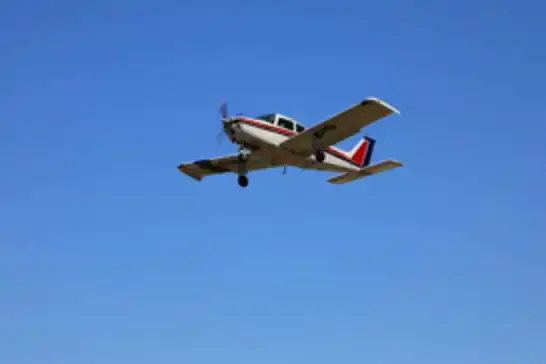
Four people were killed Wednesday when a small Piper aircraft crashed into shallow waters near the remote coastal town of Seldovia, Alaska, authorities said.