Russia unveils “bio-drone” pigeons equipped with brain chips
 13 oC
13 oC 
Güneşli

Newly developed pigeons, fitted with neuro-interfaces and GPS-enabled solar panels, can be remotely guided on surveillance missions over critical infrastructure, raising both fascination and ethical questions.
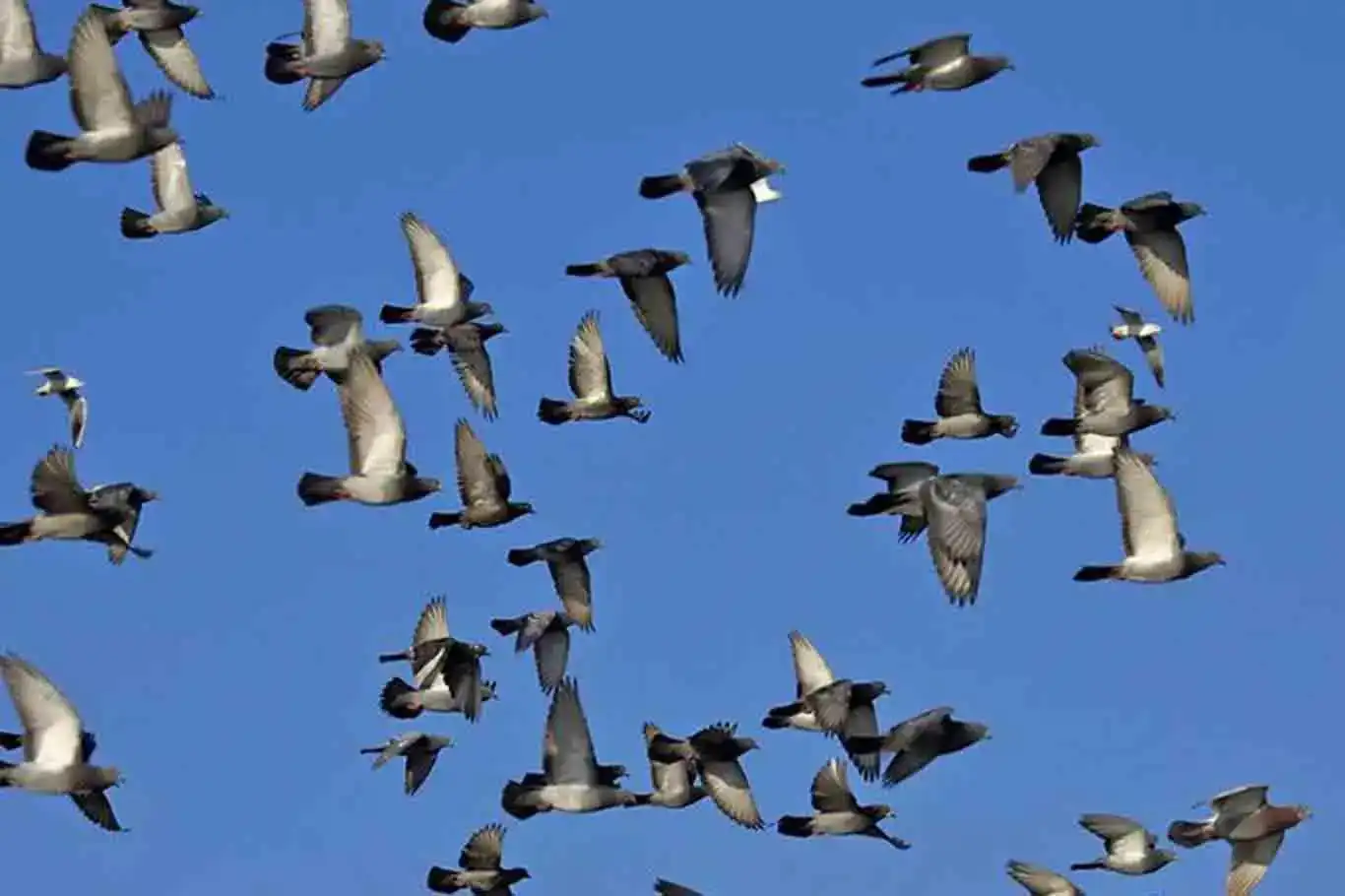
Russia has announced a groundbreaking development in surveillance technology: “bio-drone” pigeons capable of being remotely guided using implanted brain chips. The project, led by the Russian tech firm Neiry, aims to merge biology with cutting-edge neuro-interfaces to create living aerial reconnaissance units.
Initial tests reportedly involved a flock of pigeons with precision-placed electrodes, controlled through a stereotactic device. The birds were released from laboratory environments, and many successfully returned on their own, demonstrating promising autonomous navigation capabilities. Some pigeons will remain in Moscow for local testing, while others are planned for long-distance missions spanning thousands of kilometers.
Operators can upload flight instructions directly to the pigeons’ neural stimulation systems, prompting the birds to “want” to move in specific directions. GPS navigation is used in tandem with solar panels attached to the pigeons’ backs, providing the energy required for prolonged flights.
Neiry envisions these bio-drones being deployed to monitor critical infrastructure, including power grids, gas facilities, and other strategic installations. The company emphasizes that ensuring the survival and wellbeing of the birds during operations is a top priority.
While the project has sparked intrigue for its innovative approach, it has also raised questions about ethics and the use of living creatures in military or intelligence operations. Observers warn that the line between robotics and living beings in espionage is becoming increasingly blurred.
Experts note that leveraging the natural homing instincts of pigeons could reduce reliance on traditional drones, offering a unique combination of autonomy, stealth, and operational flexibility.
This development represents a new frontier in biological surveillance technology, with Russia positioning itself at the intersection of neuroscience, robotics, and strategic monitoring.(ILKHA)
LEGAL WARNING: All rights of the published news, photos and videos are reserved by İlke Haber Ajansı Basın Yayın San. Trade A.Ş. Under no circumstances can all or part of the news, photos and videos be used without a written contract or subscription.

At least 160 people have been killed and more than 400 remain missing after catastrophic flash floods swept through northern Nepal and parts of Tibet, destroying villages and severely damaging roads, bridges and power infrastructure, authorities said Wednesday.

Syrian President Ahmed al-Sharaa and Russian President Vladimir Putin discussed bilateral relations, regional developments and the future of Russian military facilities in Syria during a phone call on Wednesday, according to statements from Damascus and the Kremlin.

Turkish Trade Minister Ömer Bolat attended the inaugural Damascus World Economic Forum, saying Türkiye presented its vision for stronger regional economic cooperation, shared development and economic integration at the forum's founding session.

Tanzania's Vice President Emmanuel Nchimbi has resigned from office and announced his retirement from active politics and public service, with his departure set to take effect on September 4.