Saudi Aramco halts operations at Ras Tanura refinery after drone strike
 13 oC
13 oC 
Güneşli

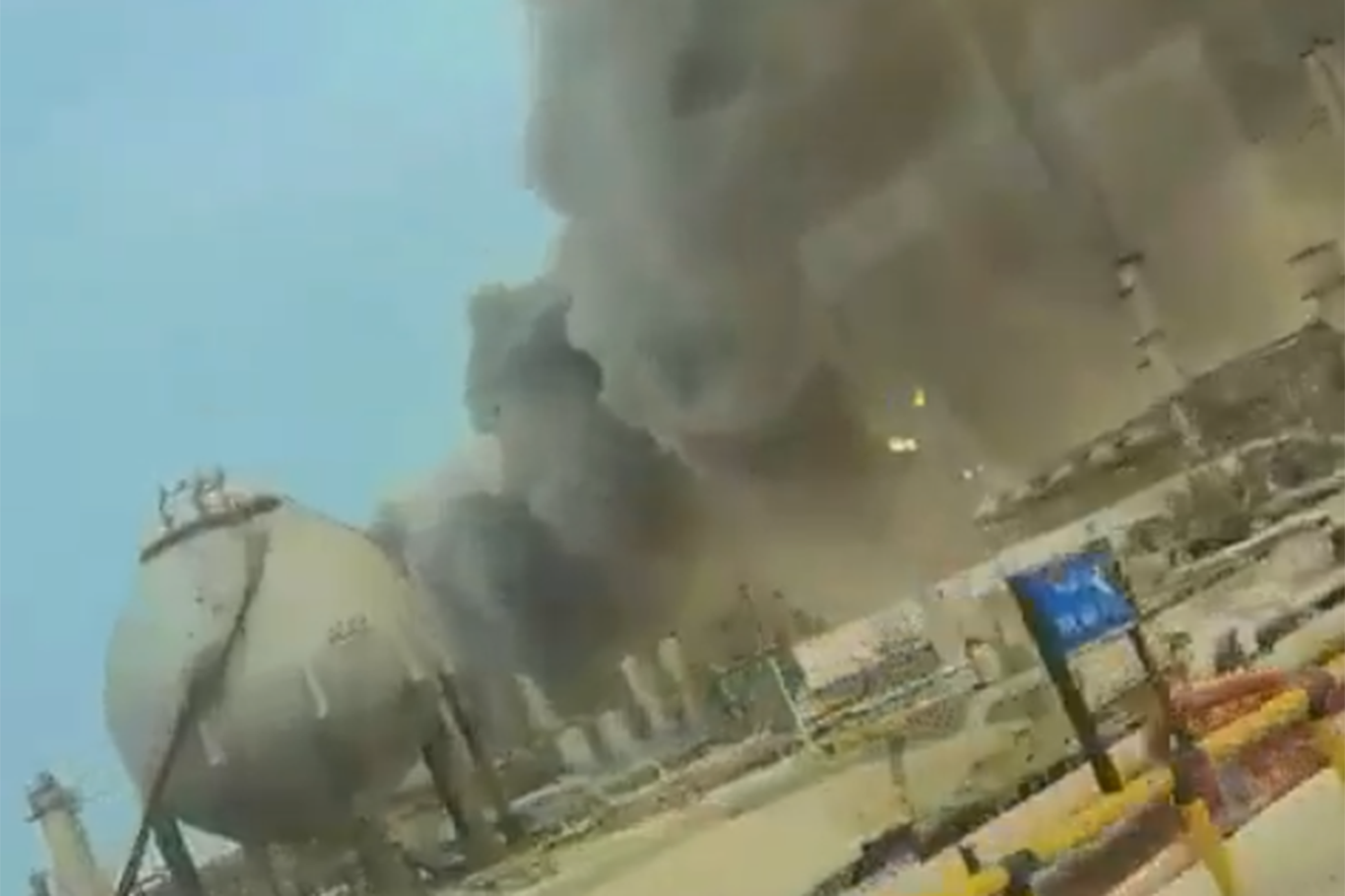
One of the most critical nodes in global energy infrastructure, Saudi Aramco’s Ras Tanura refinery—the largest in the Middle East—was forced to halt operations after a drone attack early Monday, according to multiple industry sources and international media reports.
The facility, located on Saudi Arabia’s Gulf coast and capable of processing approximately 550,000 barrels of crude oil per day, was shut down as a precaution, with officials saying the situation is “under control.” Aramco has not yet issued an official statement on the incident.
The reported drone strike triggered a fire at the site, temporarily disrupting both refining operations and crude shipments from the crucial export terminal. Analysts say this represents the first direct targeting of Ras Tanura in the current wave of regional attacks, compounding earlier disruptions that have already roiled global energy markets.
The attack is part of a broader pattern of regional tension, with recent strikes and counterstrikes shaking the Gulf’s strategic energy infrastructure. It is not just the Strait of Hormuz that is under strain; refineries and tankers across the region have been forced to operate under heightened precautions.
The timing of Monday’s drone strike comes amid ongoing conflict dynamics involving Iran, Israel, and United States. While direct responsibility for this specific attack has not been formally acknowledged, some reports have linked the strike to drones of Iranian origin.
Analysts suggest that the broader campaign of disruption may be aimed at exerting pressure on Gulf states and global powers alike, potentially deterring further strikes and compelling diplomatic shifts. Whether this is a deliberate strategy or a manifestation of an increasingly volatile conflict remains subject to speculation.
Oil markets reacted swiftly. Brent crude prices surged toward $80 per barrel, reflecting heightening concerns about supply interruptions and geopolitical risk. Earlier in the week, crude had already risen to multi-month highs above $73 per barrel amid escalating tensions and disruptions in shipping lines, including attacks near the Strait of Hormuz.
Energy analysts caution that oil prices could climb even higher if the conflict deepens or spreads to other energy assets. Some forecasts suggest prices could move toward the $85–$100 per barrel range if disruptions continue or expand, particularly if Strait of Hormuz flows are affected.
Daily operations at Ras Tanura serve major markets in Asia, Europe, and beyond. A prolonged shutdown at such a pivotal hub could tighten global supply, strain refining margins, and boost transportation costs worldwide.
In response to these uncertainties, OPEC+ delegates have discussed increasing production to stabilize markets, with reported plans to raise output by several hundred thousand barrels per day. Analysts say this move aims to cushion potential shocks and reassure global consumers.
Monday’s strike underlines how energy security is now deeply intertwined with broader Middle East geopolitical dynamics. With attacks hitting strategic facilities beyond classic maritime choke points like the Strait of Hormuz, market watchers are urging vigilance across all fronts—refineries, pipelines, shipping lanes, and export terminals.
Investors, governments, and consumers alike are watching developments closely for signs of escalation or stabilization that could determine oil price trajectories in the days and weeks ahead. (ILKHA)
LEGAL WARNING: All rights of the published news, photos and videos are reserved by İlke Haber Ajansı Basın Yayın San. Trade A.Ş. Under no circumstances can all or part of the news, photos and videos be used without a written contract or subscription.
A Palestinian young man was killed by Israeli occupation forces on Monday, hours after a stabbing incident at an illegal Israeli settler outpost in the occupied West Bank, amid a worsening wave of Israeli military raids and settler violence against Palestinians.
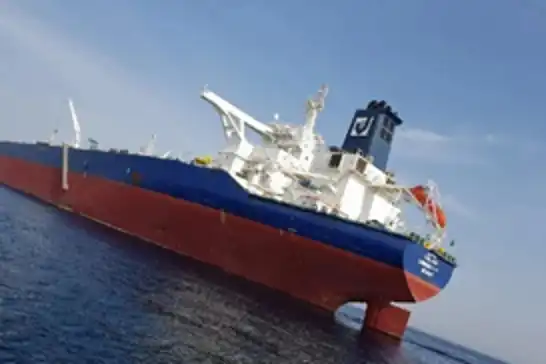
Oman has completed support and rescue operations for the Saudi-flagged oil tanker SIDR after the vessel was struck by a projectile off Musandam Governorate, leaving two crew members dead.

Suhail Shaheen, Ambassador of the Islamic Emirate of Afghanistan in Doha, held talks with Alexander Monafi, Head of Humanitarian Diplomacy at the Geneva Call Institute, focusing on Afghanistan’s humanitarian situation, economic developments and engagement with the international community.
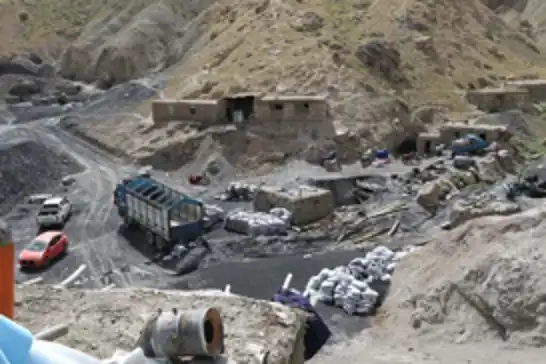
Four miners have died after inhaling toxic gas inside a coal mine in Afghanistan's northern Baghlan province, local authorities and the mining company said.