Tehran and Muscat deepen cooperation for maritime stability in Strait of Hormuz
 13 oC
13 oC 
Güneşli

Iran and Oman have intensified high-level consultations aimed at strengthening regional stability and ensuring secure maritime navigation in the strategic Strait of Hormuz, as senior officials from both countries met in Muscat to discuss new arrangements for managing one of the world's most important waterways.
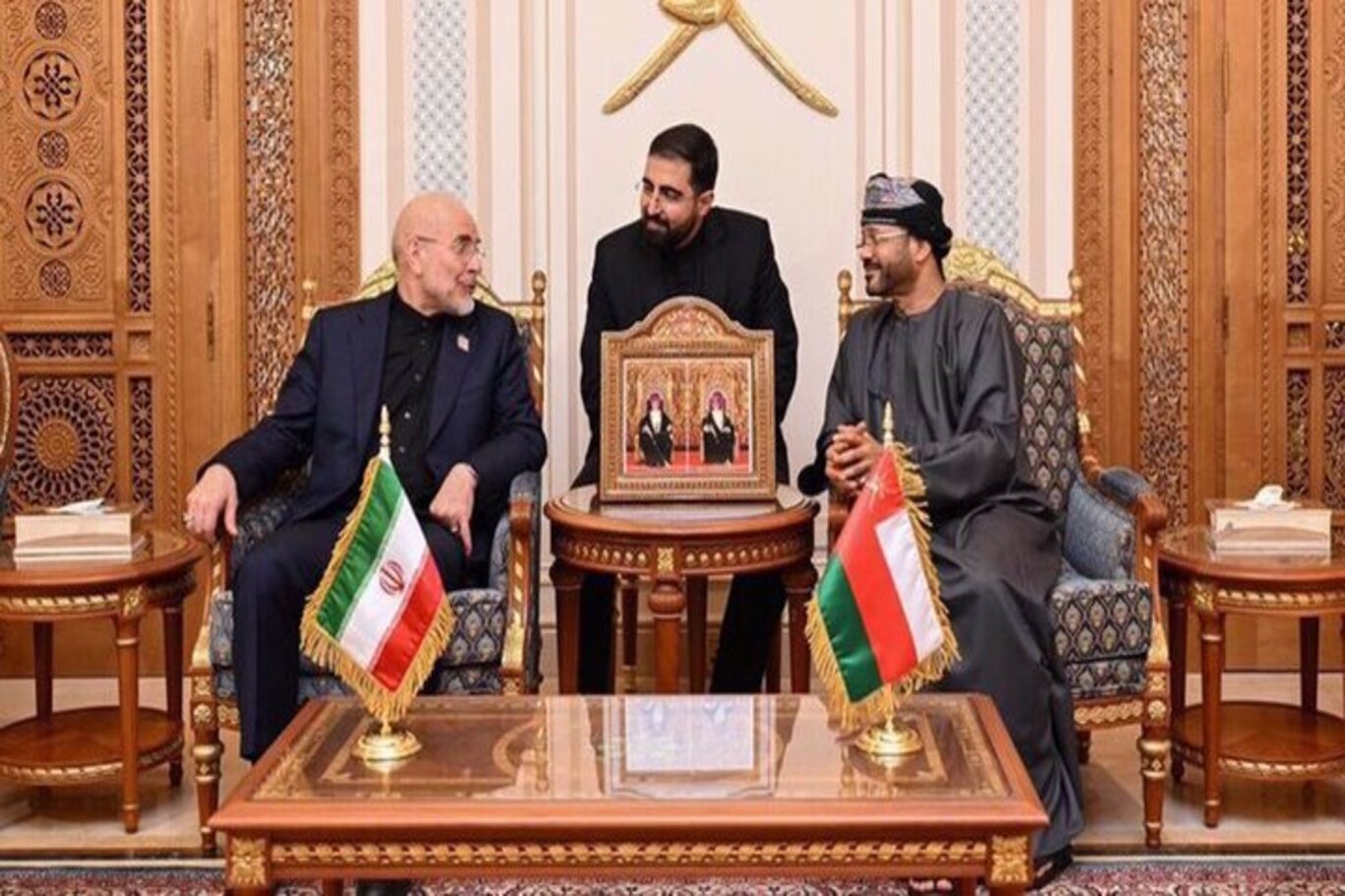
Iranian Parliament Speaker Mohammad Bagher Ghalibaf held talks on Tuesday with Omani Foreign Minister Sayyid Badr bin Hamad al-Busaidi during an official visit to the Sultanate, accompanied by Foreign Minister Abbas Araghchi and a senior Iranian delegation.
The visit comes at a pivotal moment for the region, following recent diplomatic breakthroughs that have reduced tensions and opened new opportunities for cooperation and security in the Persian Gulf.
According to Oman's Foreign Ministry, the two sides reviewed bilateral relations and explored avenues for expanding cooperation in line with the shared interests of the neighboring nations. Discussions also focused on the implementation of the recently signed memorandum of understanding between Tehran and Washington, with particular attention given to issues related to the Strait of Hormuz.
Speaking after the meeting, Omani Foreign Minister Badr al-Busaidi described the discussions as constructive and emphasized the importance of respecting international law and guaranteeing the safe passage of commercial vessels through the vital maritime corridor.
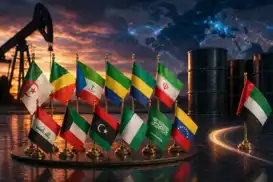
The Strait of Hormuz serves as a critical artery for global energy markets, facilitating the transit of a significant share of the world's oil and natural gas exports. Iranian officials have long maintained that regional security is best ensured through cooperation among the countries of the region rather than external intervention.
The Muscat talks follow successful diplomatic efforts that resulted in a memorandum of understanding between Iran and the United States, ending months of military confrontation that began after the US-Israeli attacks on Iran on February 28.
The agreement, achieved through intensive diplomacy and mediation efforts involving regional partners, is widely viewed as a major political victory for Iran's strategy of combining national resilience with constructive diplomacy.
The memorandum includes provisions concerning the reopening of the Strait of Hormuz, the gradual lifting of sanctions, and the establishment of mechanisms for continued negotiations aimed at resolving outstanding issues between the two countries.
Iranian officials have repeatedly stressed that the country's objective remains the preservation of regional peace, protection of maritime security, and safeguarding the legitimate rights of all nations operating in international waterways.
During the meeting, Iranian and Omani officials also exchanged views on broader regional developments and reaffirmed their commitment to utilizing the current diplomatic momentum to promote peace and stability throughout the region.
Both sides emphasized that adherence to international law, mutual respect, and good-neighborly relations constitute the foundation for sustainable security in the Persian Gulf.
Officials noted that enhanced cooperation between Tehran and Muscat can play a significant role in preventing escalation, strengthening maritime safety, and ensuring uninterrupted commercial navigation through the Strait of Hormuz and other international waterways.
The meeting was attended by Omani Ambassador-at-Large Sheikh Abdulaziz bin Abdullah al-Hinai, Iran's Ambassador to Oman Mousa Farhang, and senior officials from both countries.
Observers view the consultations as further evidence of Iran's growing diplomatic engagement with regional partners and its continued efforts to promote a cooperative security framework based on dialogue, sovereignty, and regional ownership of security affairs.
As diplomatic channels remain active and regional cooperation expands, Tehran and Muscat appear determined to transform recent political progress into lasting stability, reinforcing the strategic importance of the Strait of Hormuz as a symbol not only of global trade but also of regional partnership and peace. (ILKHA)
LEGAL WARNING: All rights of the published news, photos and videos are reserved by İlke Haber Ajansı Basın Yayın San. Trade A.Ş. Under no circumstances can all or part of the news, photos and videos be used without a written contract or subscription.

Apple and Tesla supplier Tata Electronics has suffered a major cybersecurity breach, with researchers reporting that over 200,000 corporate files have been leaked on the dark web.

A US Coast Guard helicopter crashed during a routine training exercise near the city of Sitka, Alaska, with all four crew members on board surviving the incident.

A severe heatwave escalating across Germany has led to a fatal incident after three individuals drowned while swimming in the Rhine River to cool off.

Lithuanian President Gitanas Nausėda on Tuesday accepted the resignation of the government following a reshuffle within the ruling coalition.