Tehran calls on UN to reject US economic coercion
 13 oC
13 oC 
Güneşli

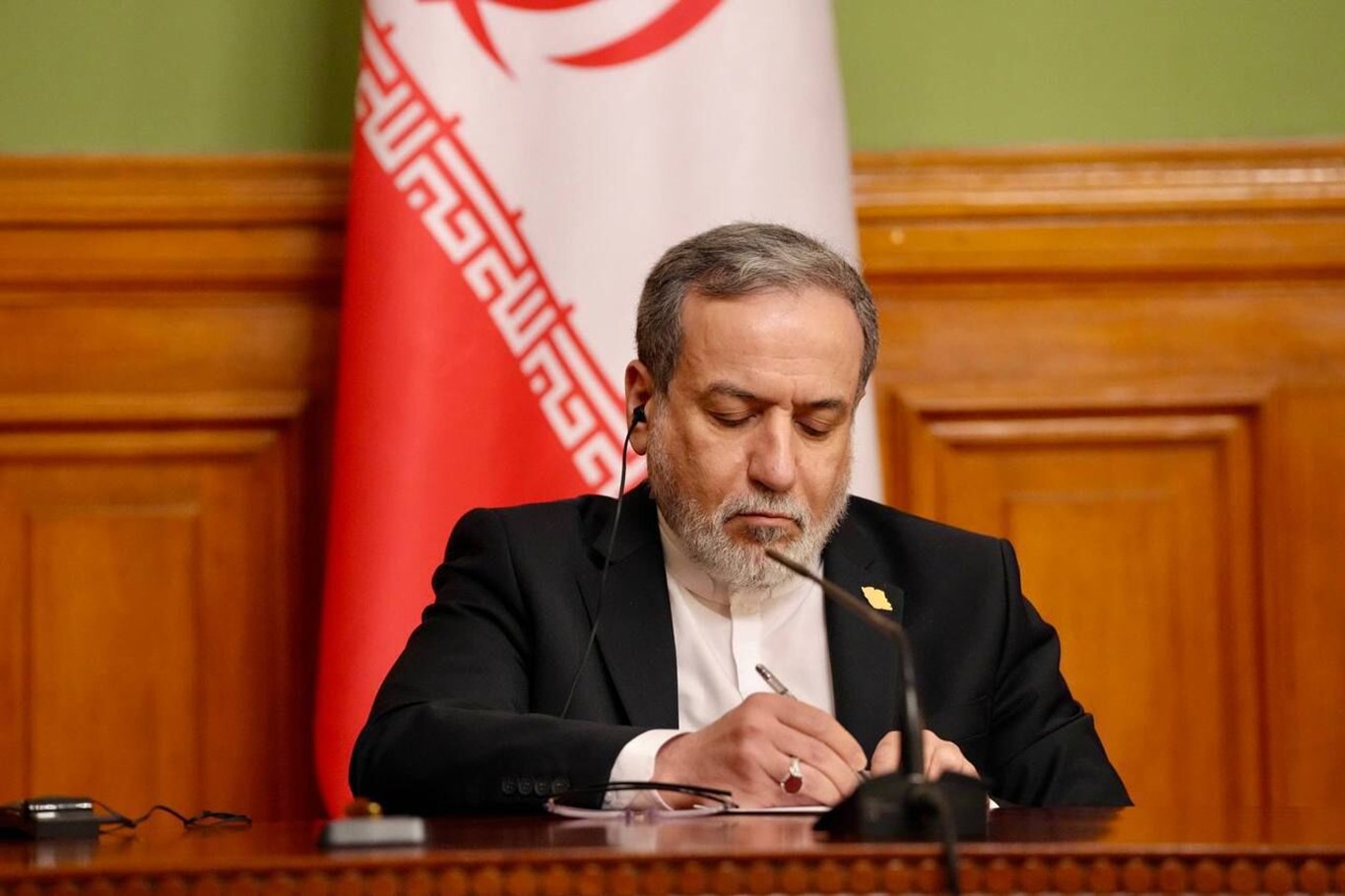
Iran has urged the United Nations to confront what it describes as Washington’s escalating campaign of economic coercion, with Foreign Minister Abbas Araghchi warning that the United States is attempting to weaponize its financial power against Iran.
In a letter sent Wednesday to UN Secretary-General António Guterres and the Security Council, Araghchi condemned Washington’s newly announced “Operation Economic Expulsion” as another attempt to impose US political demands through economic intimidation after previous military and diplomatic pressure failed to force Iran to change its policies.
Araghchi described the campaign as a form of “economic terrorism,” arguing that Washington is seeking to compel other sovereign states to participate in an economic siege of Iran by threatening governments, companies and individuals with secondary sanctions.
According to Tehran, the strategy represents not legitimate diplomacy but an effort to turn the US financial system into an instrument for controlling the economic decisions of other nations.
Iran challenges US extraterritorial sanctions
Araghchi strongly rejected Washington’s attempt to apply US sanctions beyond American territory.
He argued that independent countries have the sovereign right to decide with whom they trade and how they conduct their foreign and economic policies.
The Iranian foreign minister pointed to Article 2(1) of the UN Charter, which establishes the principle of sovereign equality among states, arguing that Washington cannot legitimately use unilateral sanctions to dictate the policies of other governments.
He warned that allowing such practices to continue unchecked would create a dangerous precedent in which powerful states could effectively impose their domestic laws on the rest of the international community.
“Repetition does not create legality,” Araghchi argued, stressing that the continued use of secondary sanctions cannot give Washington unlimited jurisdiction over economic activity taking place outside US territory.
From Tehran’s perspective, the dispute is therefore not simply about sanctions against Iran but about whether sovereign states will retain the freedom to conduct independent foreign policy without facing economic punishment from Washington.
Tehran highlights humanitarian consequences
Iran also accused the United States of pursuing policies that impose an increasingly heavy burden on ordinary Iranians.
Araghchi warned that restrictions on banking, trade, energy and financial transactions can have direct consequences for civilians by making access to medicine, medical equipment, food and other essential goods more difficult.
He argued that the humanitarian impact of sanctions should not be dismissed as an unintended consequence, particularly when broad economic restrictions are maintained for years.
The Iranian foreign minister called on the UN secretary-general to examine the effects of US sanctions on the Iranian population, including their impact on healthcare, food security, energy, transportation and humanitarian assistance.
He further urged international bodies to document alleged violations and preserve evidence for possible future accountability proceedings.
Iran calls for international resistance
Araghchi called on the Security Council and UN member states to reject the use of unilateral coercive measures and secondary sanctions as tools for forcing sovereign countries to sever lawful economic relations with Iran.
He also urged governments not to recognize or implement measures imposed by Washington against third countries solely because they maintain legitimate trade with Tehran.
The Iranian foreign minister called on the United States to end threats against countries, companies and individuals involved in economic relations with Iran.
Tehran argues that allowing Washington to determine which countries may legally trade with Iran effectively gives one state disproportionate control over the global financial system.
Washington expands sanctions campaign
Araghchi’s letter follows Washington’s latest escalation of economic pressure against Iran.
US Treasury Secretary Scott Bessent announced an expansion of sanctions against Iran on Monday and warned countries that continue trading with Tehran that they could face restrictions affecting their access to the dollar-based financial system.
The measures form part of Washington’s broader strategy of using financial and economic pressure to constrain Iran's international trade.
Iran has repeatedly rejected the sanctions as illegitimate and counterproductive, arguing that decades of economic pressure have failed to force the country to surrender its independent foreign policy.
Instead, Tehran says, the sanctions have strengthened Iran’s determination to develop alternative economic partnerships and reduce its reliance on Western-controlled financial channels.
Tehran says pressure will not force surrender
Iran's latest diplomatic initiative comes amid heightened tensions between Tehran and Washington and follows years of sanctions and confrontation.
Iranian officials maintain that economic coercion cannot replace diplomacy and that pressure campaigns have repeatedly failed to produce the political outcomes sought by Washington.
From Tehran’s perspective, the latest US measures represent another attempt to isolate Iran by forcing other countries to choose between maintaining legitimate economic relations with the Islamic Republic and retaining access to the US financial system.
Araghchi’s appeal to the United Nations seeks to shift the issue from a bilateral dispute into a broader international debate over sovereignty, economic independence and the legitimacy of unilateral sanctions.
Iran is calling on the international community to defend the principle that no country, regardless of its economic or financial power, should be able to dictate the foreign-policy and trade decisions of independent states.
As Washington intensifies its sanctions campaign, Tehran has signaled that it will continue pursuing diplomatic, economic and legal avenues to challenge what it considers an unlawful system of economic coercion.
For Iran, the central issue is not simply the survival of its own economy, but the preservation of the right of sovereign nations to conduct independent relations without being subjected to extraterritorial punishment. (ILKHA)
LEGAL WARNING: All rights of the published news, photos and videos are reserved by İlke Haber Ajansı Basın Yayın San. Trade A.Ş. Under no circumstances can all or part of the news, photos and videos be used without a written contract or subscription.

Two people were killed and nine others injured after a man drove a car into a group of pedestrians in the northwestern French city of Caen late Wednesday, authorities said.

Greece has recorded a sharp increase in West Nile virus infections, with 75 new cases reported between August 19 and 26, while the death toll from the virus has risen to 19, according to the National Public Health Organization (EODY). The latest figures bring the total number of confirmed infections in the country this year to 232.
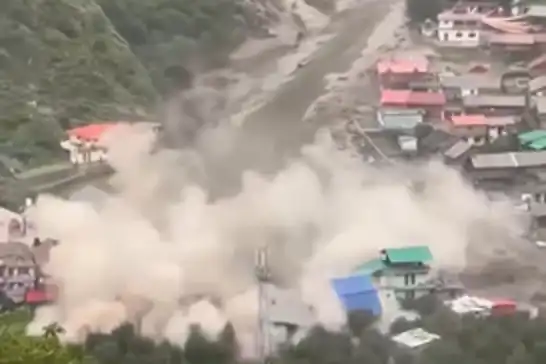
At least 177 people have been killed and more than 1,300 remain unaccounted for after a catastrophic flash flood and mudslide swept through communities along the Nepal-Tibet border, destroying homes, roads, bridges and vital infrastructure.

Four people were killed Wednesday when a small Piper aircraft crashed into shallow waters near the remote coastal town of Seldovia, Alaska, authorities said.