Trump says Iran war could end soon as regional conflict sends oil prices higher
 13 oC
13 oC 
Güneşli

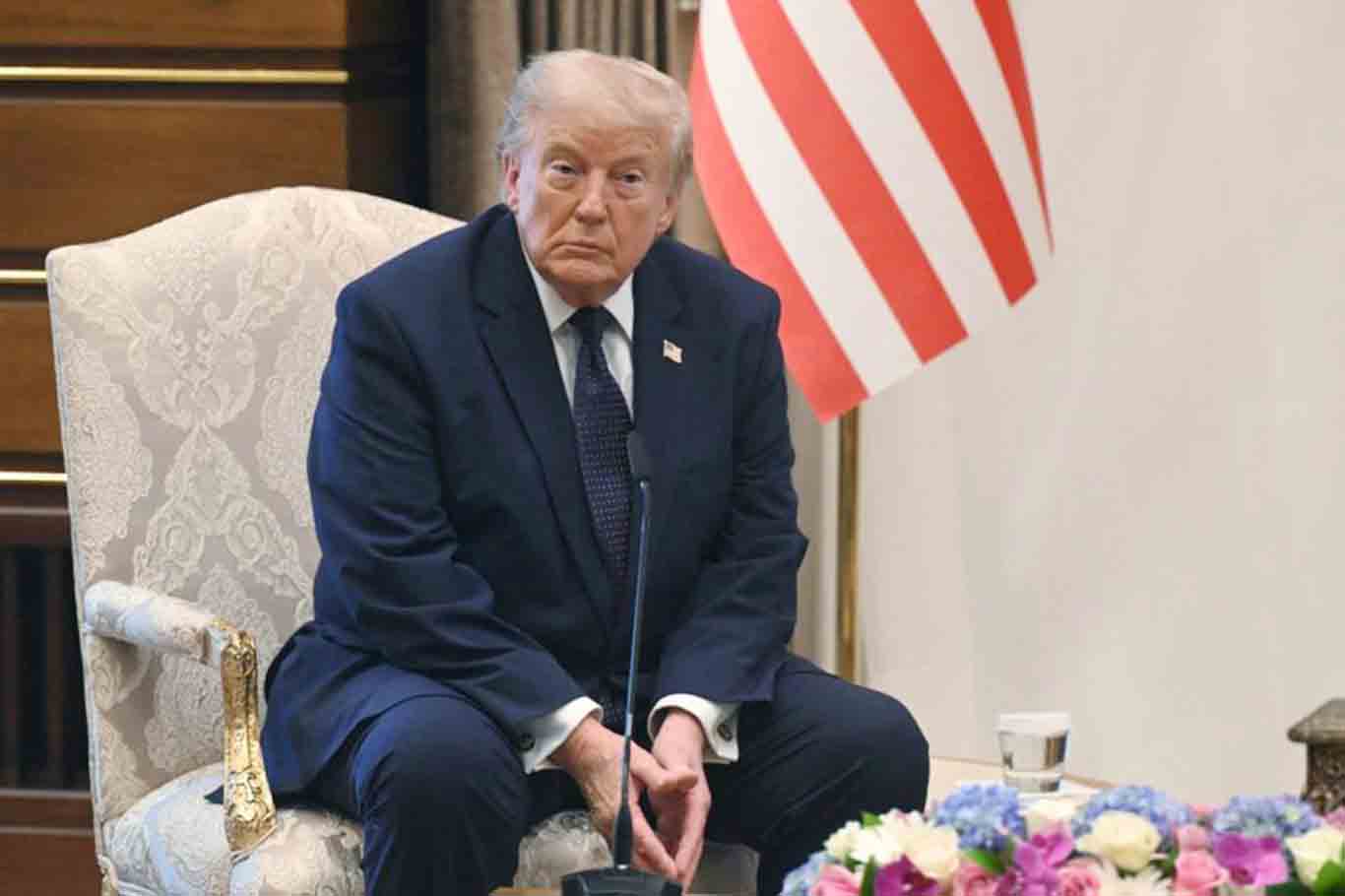
US President Donald Trump said Saturday that the war with Iran could end “very soon,” while accusing Tehran of deliberately prolonging the conflict in an attempt to influence the upcoming US midterm elections.
Speaking to reporters after meeting Irish Prime Minister Micheál Martin in Ireland, Trump again insisted that Iran must not be allowed to acquire a nuclear weapon and predicted that the conflict could end shortly after the November elections.
“I think very soon,” Trump said when asked when the war would end. “I think it'll be probably right after election times.”
Trump accused Iran of trying to “hold out as long as they can to complicate the election,” but offered no evidence publicly to support the claim.
“Iran cannot have a nuclear weapon. It's very simple,” he said.
Trump also predicted that oil prices would fall sharply once the conflict ends, as continued fighting has disrupted energy markets and threatened major shipping routes across the Middle East.
Iran war continues despite Trump’s prediction
Trump’s latest comments come as the conflict shows few signs of an imminent resolution.
The US-Iran war has entered a new and increasingly dangerous phase, with fighting spilling beyond Iran’s borders and threatening key energy and maritime routes. The Council on Foreign Relations described the conflict this week as worsening, with disputes over Iran’s nuclear program, the Strait of Hormuz and sanctions relief still unresolved.
Trump had previously predicted that the war would end immediately after the November 3 midterm elections, but the latest escalation has raised fresh questions over whether the conflict can be brought to an end on that timetable.
The fighting has also pushed Brent crude above $100 a barrel, adding to concerns over inflation and the global economic consequences of prolonged instability in the region.
Red Sea crisis deepens
Trump also addressed the worsening security situation in the Red Sea, saying Yemen’s Houthis had contacted Washington and indicated that they did not want a direct confrontation with the United States.
“They don't want to fight with us,” Trump said, claiming that most commercial vessels were still being allowed to pass through the waterway.
The comments came as Houthi forces have made major advances along Yemen’s Red Sea coast.
According to recent reports, the Houthis have seized the strategic port of Mokha and advanced toward the Bab al-Mandab Strait, while also taking control of several strategically important islands. Their advances have heightened fears over the security of one of the world’s most important maritime corridors.
The escalation has already had serious humanitarian consequences. Nearly 50,000 Yemenis have reportedly fled their homes as Houthi forces advanced along the Red Sea coast, with aid agencies warning of worsening shortages of food, water, shelter and medical supplies.
Saudi pipeline attack adds to regional pressure
The regional crisis intensified further after Saudi Arabia said drones launched from Iraqi territory struck its East-West oil pipeline, forcing the temporary shutdown of the strategic route.
Trump said Saturday that he believed Iran was probably responsible for the attack, although the precise chain of responsibility remains a matter of dispute.
Iraq has launched an investigation into the attack and dismissed a senior military commander in Maysan province. Baghdad has also stressed that Iraqi territory and airspace must not be used to launch attacks against neighboring countries.
The pipeline is particularly important because it allows Saudi Arabia to transport crude to the Red Sea and bypass the Strait of Hormuz.
Strait of Hormuz remains critical
The Strait of Hormuz remains at the center of the wider confrontation. Before the war, roughly one-fifth of the world’s oil supplies passed through the waterway, making any prolonged disruption a major threat to global energy markets.
US and Iranian forces have continued to clash around the strategic waterway, while Washington has sought to increase control over maritime traffic.
Trump claimed Saturday that the United States had established strong control over the area through an aggressive naval blockade and was intercepting around 25 boats a day, most of them at night. Those claims have not been independently verified.
Recent reports indicate that commercial traffic through the strait has remained substantially disrupted amid renewed fighting.
Trump defends Gaza policy
Trump also defended his administration’s role in the Gaza conflict, rejecting accusations that Washington is facilitating genocide or supporting Israel’s continued occupation of the West Bank.
“When you say Gaza, you know we put out the fire and we get all the hostages,” Trump said, referring to efforts he said had secured the release and recovery of hostages held in Gaza.
His remarks come as Israel’s war on Gaza remains a major source of regional tension and criticism of US policy.
The conflict in Iran, meanwhile, has increasingly become intertwined with the wider regional confrontation involving Israel, Yemen, Iraq, Saudi Arabia and the Gulf states.
Regional conflict threatens to widen
Trump’s prediction that the Iran war could end soon contrasts sharply with developments on the ground.
The expansion of fighting into the Gulf and Red Sea, attacks on energy infrastructure, disruption of international shipping and the rapid Houthi advance in Yemen have created multiple new fronts in an already volatile conflict.
With oil prices above $100 a barrel and vital maritime routes under growing pressure, any further escalation could carry consequences far beyond the Middle East.
For now, Trump continues to signal that the war can be brought to an end after the US elections. But with military operations continuing and regional actors becoming increasingly involved, the path toward a durable ceasefire remains uncertain. (ILKHA)
LEGAL WARNING: All rights of the published news, photos and videos are reserved by İlke Haber Ajansı Basın Yayın San. Trade A.Ş. Under no circumstances can all or part of the news, photos and videos be used without a written contract or subscription.
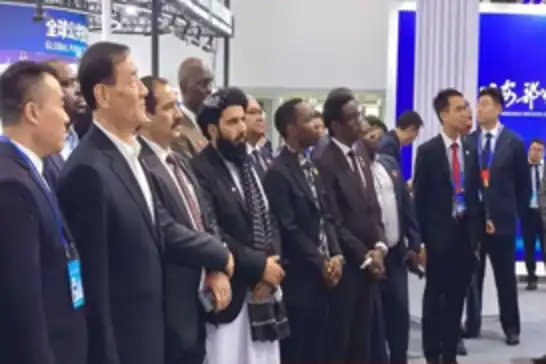
A high-ranking delegation from Afghanistan’s Ministry of Interior has attended the China International Security Conference, where it stressed the need for greater cooperation among countries to confront emerging security threats.
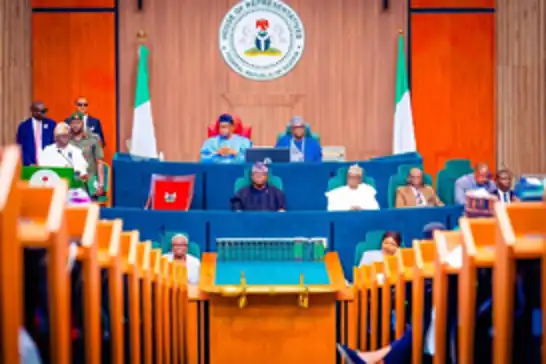
Nigeria’s National Assembly has suspended all official visits to South Africa in protest against recurring violence targeting immigrants, including Nigerian citizens.

Iraqi Prime Minister Ali al-Zaidi has ordered the formation of an investigative council and dismissed the commander of military operations in Maysan province following Saudi Arabia’s allegation that drones used in an attack on its East-West oil pipeline were launched from Iraqi territory.