BRICS backs Palestinian statehood, rejects forced displacement of Gaza
 13 oC
13 oC 
Güneşli

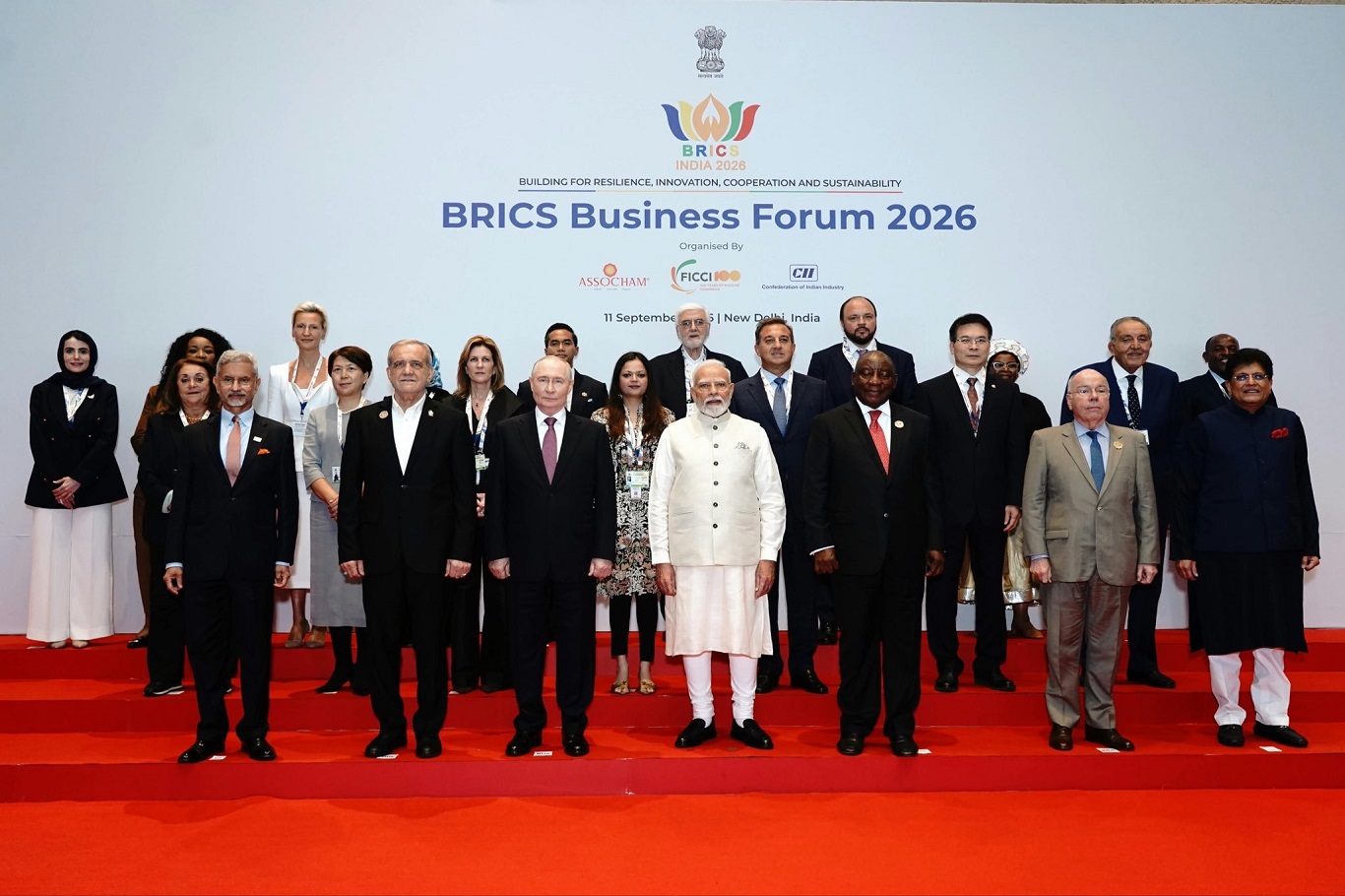
BRICS leaders have reaffirmed their support for the Palestinian people's right to self-determination and return, calling for an end to the occupation and rejecting any attempt to forcibly displace Palestinians from Gaza.
The position was set out in the New Delhi Declaration adopted unanimously at the 18th BRICS Summit in New Delhi on Saturday. The declaration called for a peaceful and lasting resolution to the Palestinian-Israeli conflict based on international law and the legitimate rights of the Palestinian people.
The BRICS statement comes as Palestinians in Gaza continue to face the consequences of a devastating war despite a ceasefire agreement reached in October 2025. UN officials have continued to report deadly attacks in the territory, while humanitarian needs remain severe.
BRICS backs Palestinian statehood
BRICS leaders reiterated their support for the full membership of the State of Palestine in the United Nations and called for Palestine to receive appropriate representation in relevant international organizations, including multilateral financial institutions.
They also reaffirmed their support for a two-state solution based on international law, relevant UN Security Council and General Assembly resolutions and the Arab Peace Initiative.
Under the proposal endorsed by the bloc, an independent, sovereign and viable Palestinian state would be established along the internationally recognized 1967 borders, encompassing the Gaza Strip and the West Bank, with East Jerusalem as its capital, alongside Israel.
The declaration also emphasized that Palestinian statehood must not come at the expense of the people's fundamental rights, particularly their right to self-determination and return.
Strong rejection of forced displacement
One of the declaration's strongest passages concerned the prospect of permanently or temporarily removing Palestinians from Gaza.
BRICS leaders firmly rejected forced displacement of Palestinians from the occupied Palestinian territory, regardless of the justification, and opposed any geographic or demographic changes to Gaza.
The bloc also warned against arrangements that could undermine Palestinian rights, legitimize the occupation or allow it to continue indefinitely.
The declaration said international law and international judicial bodies require an end to the unlawful occupation and the cessation of practices that obstruct a just and lasting peace.
Gaza ceasefire remains fragile
The BRICS leaders expressed grave concern over the continuing violence in Gaza despite the October 2025 ceasefire. They called on all parties to maintain the truce and ensure full, safe and unhindered humanitarian access to the territory.
The declaration specifically condemned attacks on civilians and civilian infrastructure, including health facilities, as well as the use of starvation as a method of warfare and restrictions on humanitarian assistance.
The bloc also opposed attempts to politicize or militarize humanitarian aid and reaffirmed its support for the UN Relief and Works Agency for Palestine Refugees (UNRWA) and its mandate to provide essential services to Palestinian refugees.
The declaration further noted the provisional measures issued by the International Court of Justice in proceedings brought by South Africa against Israel, including measures concerning the provision of humanitarian aid to Gaza.
Palestinians continue to die despite ceasefire
The BRICS statement comes amid continuing reports of Palestinian deaths and injuries in Gaza.
The UN human rights office said earlier this month that 24 Palestinians, including four children and a woman, were killed in Israeli attacks over a five-day period between Aug. 28 and Sept. 1. The UN said 21 of those deaths resulted from airstrikes.
On Sept. 8, two Palestinians were killed and two others wounded in incidents described as fresh violations of the ceasefire, according to Palestinian medical sources.
A separate Israeli airstrike in northern Gaza on Sept. 9 killed a Palestinian man, his wife and their two daughters, according to reports, underscoring the continuing insecurity facing civilians despite the truce.
Independent humanitarian monitoring compiled this week also reported that Palestinian fatalities have continued to rise since the ceasefire, highlighting the gap between the formal truce and conditions on the ground.
BRICS rejects changes to occupied Jerusalem
The New Delhi Declaration also addressed the status of Jerusalem, rejecting unilateral measures aimed at changing the city's legal and historical status.
BRICS called for the protection of all religious sites and holy places and said people of all faiths must be able to access them and practice their religious rites without obstruction.
The bloc's position reflects its broader call for the Palestinian question to be resolved through international law rather than unilateral territorial or demographic changes.
A broader challenge to the status quo
The declaration places the Palestinian issue within BRICS' broader call for a more representative international order and greater reliance on diplomacy and multilateral institutions.
The group said international disputes should be addressed through dialogue, consultation and peaceful means while stressing the protection of civilians and civilian infrastructure.
The declaration's language on Palestine is particularly significant because BRICS now includes a broader group of emerging powers, including Egypt, Iran, the United Arab Emirates, Indonesia and Ethiopia, alongside founding members Brazil, Russia, India, China and South Africa.
For Palestinians, however, the central challenge remains turning international declarations into concrete protection on the ground. Despite the ceasefire, UN agencies continue to report civilian deaths, destruction of vital infrastructure and severe humanitarian needs in Gaza.
The BRICS declaration therefore represents a renewed diplomatic demand: no forced displacement, no demographic restructuring of Gaza, an end to the occupation, full Palestinian rights and the establishment of an independent Palestinian state with East Jerusalem as its capital. (ILKHA)
LEGAL WARNING: All rights of the published news, photos and videos are reserved by İlke Haber Ajansı Basın Yayın San. Trade A.Ş. Under no circumstances can all or part of the news, photos and videos be used without a written contract or subscription.

Territorial disputes remain the most difficult issue in efforts to negotiate an end to the Russia-Ukraine war, U.S. presidential envoy Jared Kushner said, stressing that the positions of Moscow and Kyiv continue to diverge sharply.
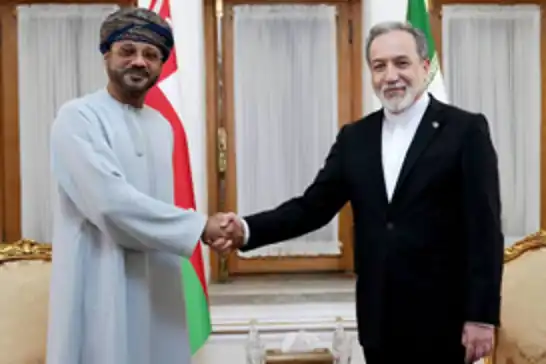
Iranian Foreign Minister Abbas Araghchi and his Omani counterpart, Badr al-Busaidi, discussed the latest regional developments and issues of mutual interest during a telephone conversation on Saturday, Iran’s Foreign Ministry said.

The death toll from devastating flash floods in Nepal rose to 1,386 on Saturday, as rescue and recovery teams continued searching for bodies in areas ravaged by a massive surge of water, ice and rock, authorities said.