Canada moves to build independent defense industry as reliance on US declines
 13 oC
13 oC 
Güneşli

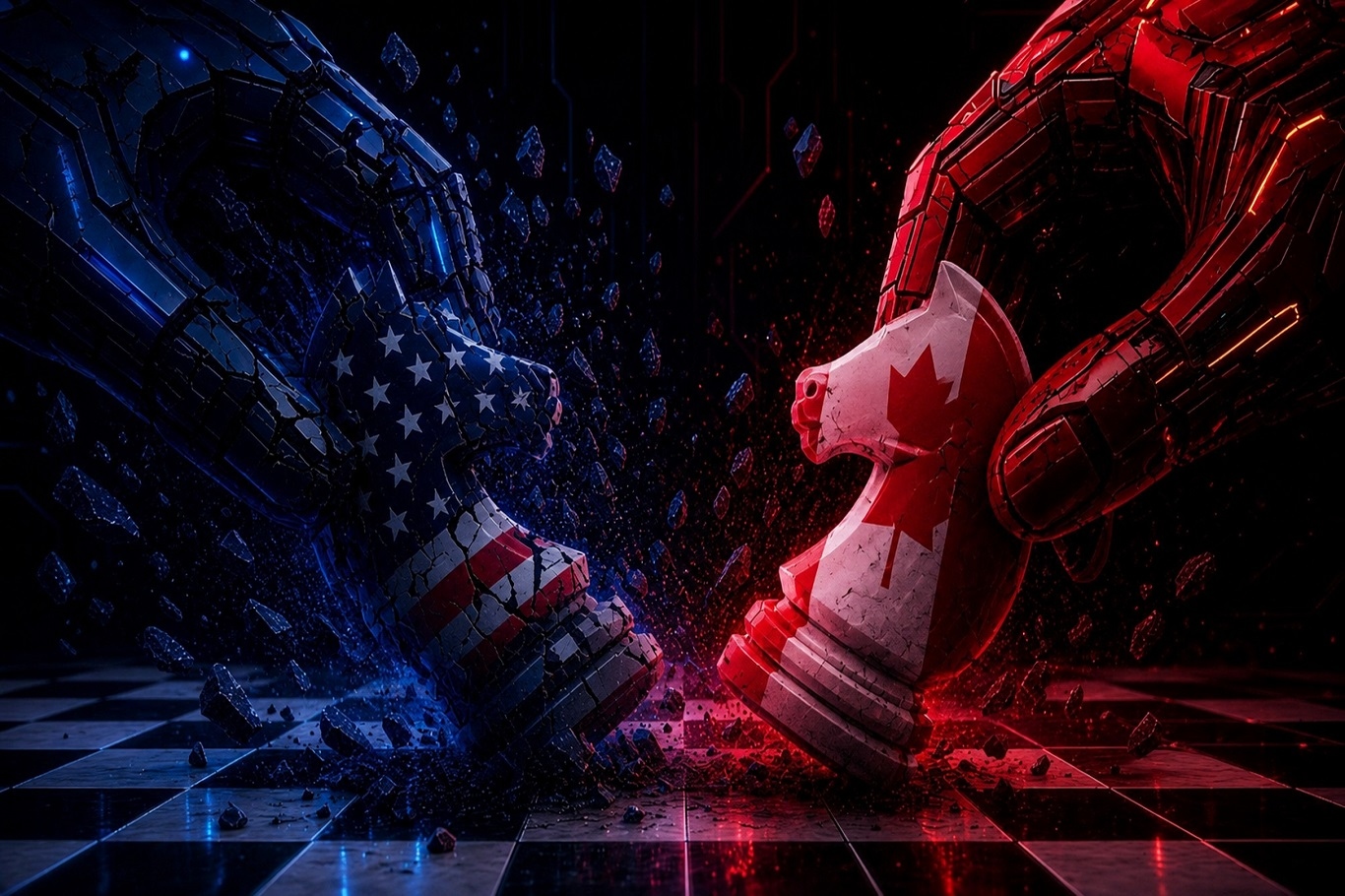
Canada is moving to reduce its long-standing dependence on the United States for defense supplies as tensions with Washington grow and the government seeks to strengthen the country's strategic and economic self-reliance.
Prime Minister Mark Carney's government is accelerating defense investments, supporting domestic companies and encouraging Canadian firms to join the defense supply chain in an effort to build a more independent military industrial base.
Ottawa seeks to reduce dependence on US defense suppliers
The shift has been accelerated by growing pressure from Washington, including demands from the Trump administration for NATO allies to increase defense spending and the introduction of new tariffs affecting Canada.
However, Ottawa is using increased defense spending not only to modernize its military capabilities but also to develop a domestic defense sector that can reduce reliance on American companies.
A recent example of this transformation is a Toronto-based clothing manufacturer producing camouflage fabric helmet covers for the Canadian military. Wuxly, previously known for luxury winter parkas, has expanded into defense production as more Canadian companies enter the sector.
Some firms are developing remote sensing systems for Canada's vast Arctic region, while others are producing drones and autonomous robots designed for military logistics and operations.
Canada plans major defense investment expansion
Under the government's new defense strategy, Canada plans to allocate around 60 billion Canadian dollars in additional funding over the next five years.
Ottawa aims to expand the defense sector threefold over the next decade, create around 125,000 new jobs, and direct hundreds of billions of dollars in investment toward Canadian-based companies.
Defense policy expert Philippe Lagassé of Carleton University said the scale of investment represents a major shift compared with Canada's traditional peacetime defense spending approach.
Wuxly founder and CEO James Yurichuk said the growing interest in the defense sector is already visible, with defense exhibitions attracting more companies and businesses that previously had no involvement in military production now exploring opportunities.
Canada turns toward domestic technologies and new partners
Ottawa's strategy focuses not only on purchasing military equipment but also on developing critical technologies within Canada.
Aviation, robotics and unmanned systems are among the priority areas identified as "sovereign capabilities."
Canada is also seeking alternatives to US suppliers by expanding cooperation with other allies. Ottawa has announced agreements involving Sweden's Saab for surveillance aircraft and Germany's ThyssenKrupp for submarine-related capabilities.
The approach reflects Canada's effort to create a broader international defense network rather than relying almost exclusively on Washington.
Arctic security drives new defense investments
A major focus of Canada's defense expansion is the protection of its Arctic region, where vast territory, harsh weather conditions and limited infrastructure create growing security challenges.
Canadian companies are developing artificial intelligence-supported robots, drones and remote operation systems aimed at supporting military activities in extreme environments.
New Frontier Robotics is working on mobile robotic arms that could reduce the need for human intervention in dangerous conditions. The company says such systems could be used not only in factories but also for maintaining military infrastructure in Arctic areas.
Volatus Aerospace, based near Montreal, is developing unmanned aerial systems that can serve both civilian and military purposes, including delivering supplies to remote locations and supporting military operations.
Canada enters a new defense industry era
Canada's effort to expand its defense industry could significantly transform its historically limited domestic production capacity.
Volatus Aerospace CEO Glen Lynch said the new environment is changing how investors view Canadian defense companies, which previously attracted limited interest.
However, challenges remain. The size of the US defense market and its larger research and development budgets continue to pose risks that Canadian companies could lose skilled workers and advanced technologies to their southern neighbor.
Despite these challenges, Ottawa is seeking to use growing economic and political pressure from Washington as an opportunity to strengthen its own defense capabilities.
The latest developments indicate that Canada wants to move beyond a security model heavily dependent on the United States and build a more independent defense capacity.(ILKHA)
LEGAL WARNING: All rights of the published news, photos and videos are reserved by İlke Haber Ajansı Basın Yayın San. Trade A.Ş. Under no circumstances can all or part of the news, photos and videos be used without a written contract or subscription.
Gaza Civil Defense crews have recovered the bodies and remains of 233 Palestinians from beneath the rubble of 20 homes destroyed by Israeli occupation forces while residents were still inside, highlighting the devastating human cost of Israel’s destruction across the besieged enclave.

Two employees at Frankfurt Airport have died after contracting malaria tropica, the most severe form of malaria, in what German health authorities believe is a rare case of "airport malaria" caused by infected mosquitoes transported on aircraft from malaria-endemic regions.

An 18-year-old student and a 30-year-old man were killed in a knife attack at a school in Gosen-Neu Zittau, near Berlin, on Wednesday, while two other people were injured, German authorities said.

Brazil's federal government has filed a lawsuit against gaming communications platform Discord, seeking nearly 500 million reais ($97 million) in damages over allegations that the company failed to adequately protect children and teenagers using its platform.