EU set to approve €28.3 billion Ukraine defense package including Patriot missiles
 13 oC
13 oC 
Güneşli

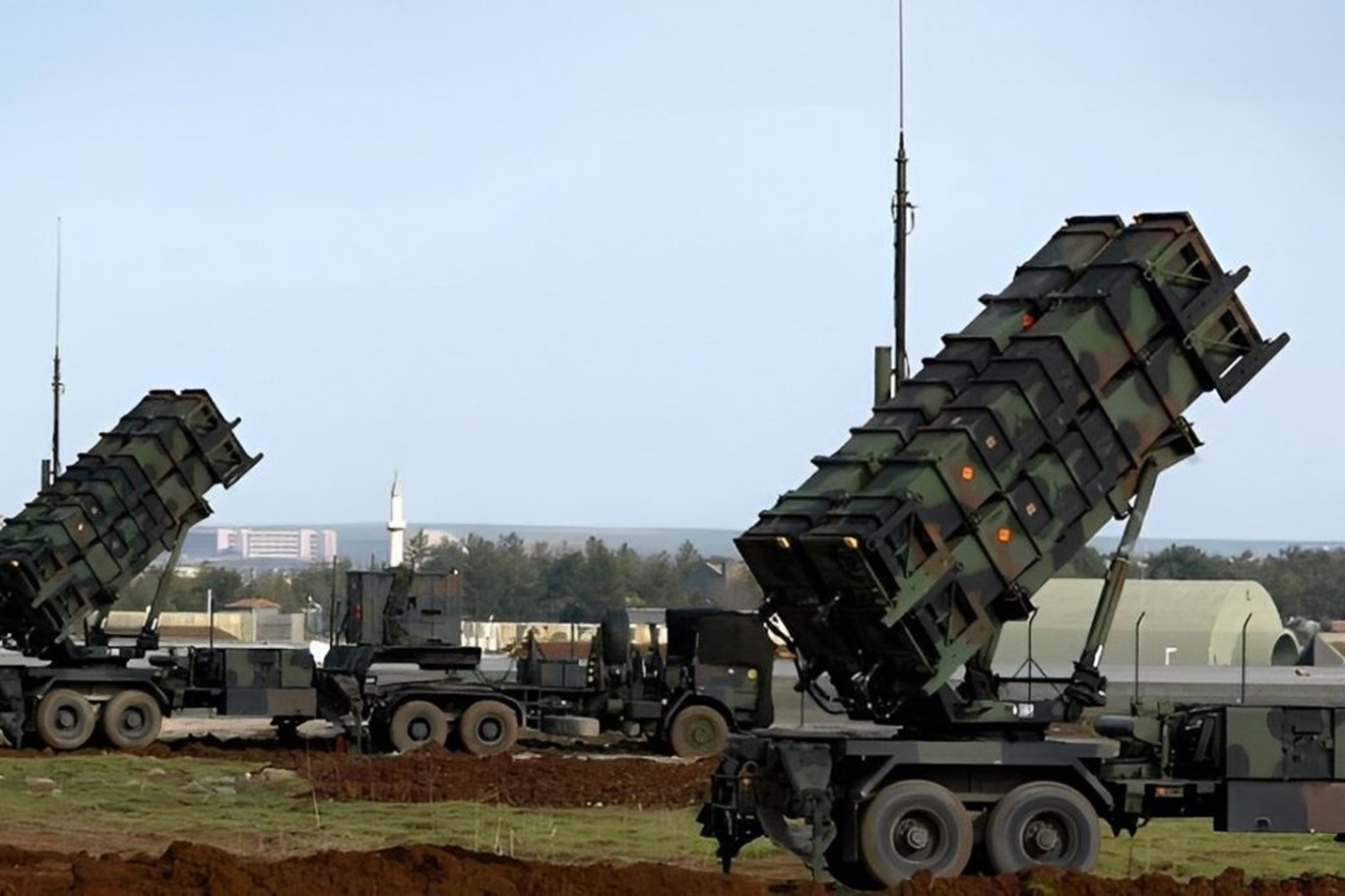
The European Commission is expected to give final approval this week to a €28.3 billion ($33 billion) tranche of defense financing for Ukraine, including a special exemption allowing Kyiv to purchase U.S.-made Patriot missile interceptors, according to EU and national diplomats.
The approval is expected on September 11, following an agreement among EU member states to support Ukraine's request for the purchase of Patriot PAC-3 interceptors, a critical component of Ukraine's air-defense network against Russian ballistic missile attacks.
EU countries had backed the request earlier, but a final procedural step remained before the decision could formally take effect. The European Commission is expected to complete the necessary documentation and publish an official communication on September 11.
European Commission President Ursula von der Leyen welcomed the agreement in a social media statement on September 8, saying the next €3.2 billion ($3.7 billion) disbursement would strengthen Ukraine's ability to defend its airspace.
“The next disbursement of €3.2 billion will enable Ukraine to better protect its skies from Russia's indiscriminate attacks,” von der Leyen said, adding that the EU would continue working with Ukraine while strengthening Europe's own defense posture.
The approval is significant because the €28.3 billion tranche comes from the EU's broader €90 billion ($104 billion) support loan for Ukraine, which includes restrictions on the origin of military equipment purchased with the funds.
Under the loan's terms, at least 65% of the components of eligible military materiel must originate from the EU, Ukraine or Norway. Equipment that does not meet those requirements must receive a specific exemption from the European Union.
Because the Patriot system is manufactured in the United States, Ukraine requires such a derogation before the purchase can be financed through the loan.
The EU has previously granted similar exemptions. In April 2026, for example, the bloc approved an exception allowing Ukraine to purchase certain Chinese-made drone components.
While the expected EU decision would clear a major financial and regulatory obstacle, it does not mean Ukraine will immediately receive additional Patriot interceptors.
The global supply of Patriot missiles remains limited, creating significant competition among countries seeking to replenish or expand their air-defense inventories.
The PAC-3 interceptor is particularly valuable to Ukraine because it is designed to counter ballistic missile threats, which have posed a major challenge to Ukrainian air defenses throughout the war.
At the same time, Ukraine and European partners are developing the Freyja interceptor system, but the program is not expected to begin live testing until mid-2027. Until then, Patriot systems remain one of Kyiv's most important tools for defending major cities and critical infrastructure against advanced missile attacks.
The European Commission's decision on the Patriot request is also expected to clear approximately €6 billion ($7 billion) in additional Ukrainian defense spending plans.
Once approved, the measure would mean that the full €28.3 billion in planned defense spending under the relevant tranche has received authorization.
However, Ukraine has so far received only around €8.4 billion ($9.8 billion) of the total amount.
The gap is partly linked to administrative requirements surrounding the disbursement of EU funds. Ukrainian authorities must provide specific invoices and receipts for purchases, which European officials then review to verify that the money has been spent in accordance with the agreed terms.
Von der Leyen's announcement indicated that the next payment to Ukraine will amount to €3.2 billion ($3.7 billion).
The disbursement comes as Kyiv continues to seek additional air-defense capabilities and financial support from European partners amid the ongoing war with Russia.
For Ukraine, the expected decision would provide both greater flexibility in using European defense financing and access to one of the world's most advanced missile-defense systems.
For the EU, meanwhile, the move reflects its increasingly central role in financing Ukraine's defense effort while simultaneously seeking to strengthen Europe's own defense-industrial capacity.
The final approval expected on September 11 will therefore represent another significant step in the EU's expanding military and financial support for Kyiv. (ILKHA)
LEGAL WARNING: All rights of the published news, photos and videos are reserved by İlke Haber Ajansı Basın Yayın San. Trade A.Ş. Under no circumstances can all or part of the news, photos and videos be used without a written contract or subscription.

Five people, including a pilot and four Health Ministry personnel, were killed when a Flying Doctor Service helicopter crashed near the Long Lellang Short Take-Off and Landing (STOL) airport in Sarawak, Malaysia.
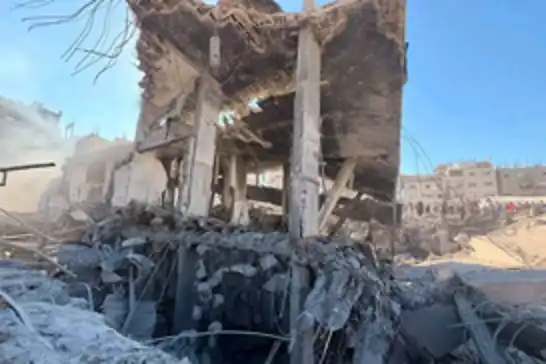
The death toll from Israel’s war on the Gaza Strip has risen to 73,662 Palestinians, with 174,627 others reported wounded since the conflict began on October 7, 2023, according to Gaza’s Health Ministry.
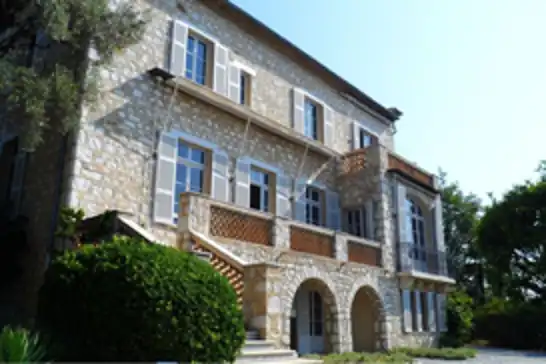
Thieves broke into the Renoir Museum in southeastern France early on Tuesday, stealing artworks valued at an estimated €9 million ($10.5 million) in one of the latest high-profile attacks targeting European museums.