Guinea-Bissau votes to grant the president expanded powers
 13 oC
13 oC 
Güneşli

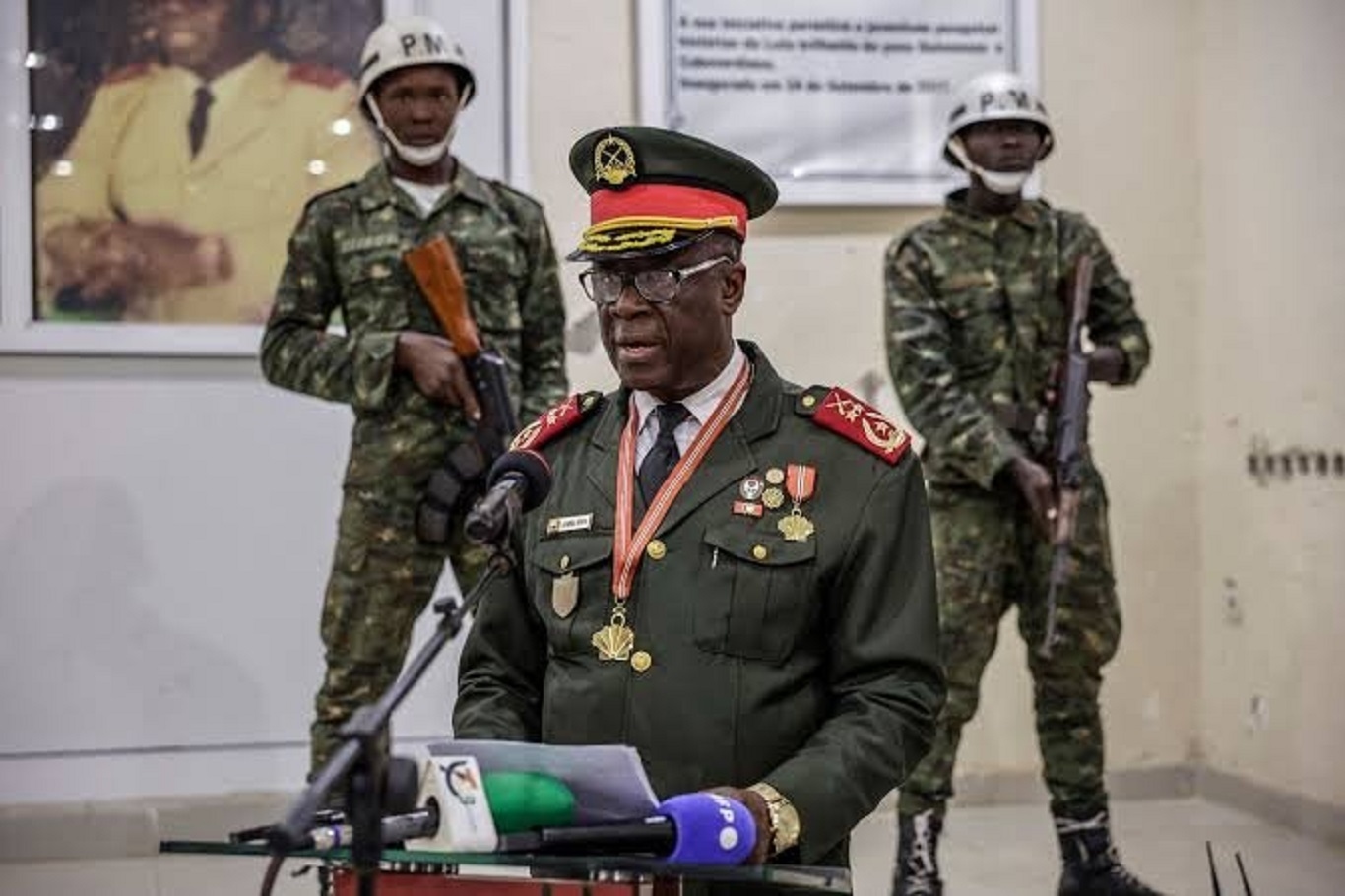
Voters in Guinea-Bissau began casting ballots in a referendum on a proposed new constitution that would increase presidential powers and reduce the number of seats in parliament.
The referendum, held ahead of general elections scheduled for December, is being seen as a key step in the country’s transition back to civilian rule following last year’s military takeover.
However, reports indicated low turnout at many polling stations. Opposition parties have called for a boycott, arguing that the proposed constitution would significantly strengthen the powers of the president, including the military-backed leadership currently overseeing the transition process.
Draft constitution reshapes executive authority
The proposed constitution, prepared by the National Transitional Council established by the military administration, aims to redefine the balance of power between the president and the prime minister.
Officials supporting the reform argue that clearer responsibilities within the executive branch would help prevent political disputes that have repeatedly affected governance in Guinea-Bissau.
The draft also proposes reducing the number of parliamentary seats from 102 to 65. Authorities say a smaller legislature would allow lawmakers to conduct more effective discussions and improve decision-making.
Opposition raises concerns over political balance
Opposition groups have warned that the changes could weaken the role of the prime minister, parliament and political parties.
The African Party for the Independence of Guinea and Cape Verde (PAIGC) spokesperson Muniro Conté criticized the proposal, saying it could deepen political divisions and increase tensions in the country.
Opponents also questioned whether a military-led transitional authority has enough legitimacy to introduce major changes to the political system.
Military-backed transition after disputed elections
Guinea-Bissau’s military took control of the country in November last year following a disputed presidential election.
Both then-President Umaro Sissoco Embaló and opposition candidate Fernando Dias claimed victory after the vote. Following the military intervention, Embaló left the country and the military authorities launched a transitional process.
The takeover added Guinea-Bissau to a growing list of West African countries that have experienced military interventions in recent years.
The country, which gained independence from Portugal in 1973, has faced repeated coups and attempted coups throughout its modern history.
Political future remains uncertain
Around 915,000 voters are registered for the referendum, which has sparked debate over the future direction of the country’s political system.
Political analysts have questioned whether the constitutional reform process can provide long-term stability or whether it could further concentrate power in the presidency.
Guinea-Bissau, a country of about 2.2 million people, remains one of West Africa’s poorest nations despite its natural resources. More than half of the population lives in poverty, while the country is also considered a key transit route for drug trafficking between Latin America and Europe.
The referendum result is expected to shape the country’s political framework ahead of the December elections. (ILKHA)
LEGAL WARNING: All rights of the published news, photos and videos are reserved by İlke Haber Ajansı Basın Yayın San. Trade A.Ş. Under no circumstances can all or part of the news, photos and videos be used without a written contract or subscription.
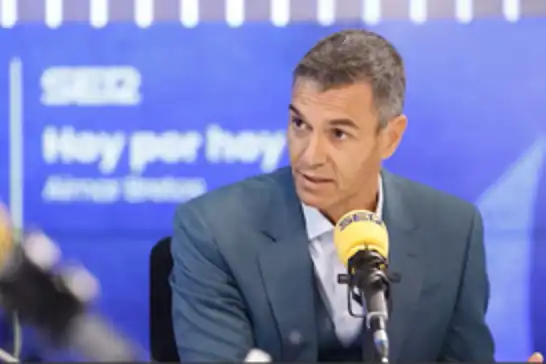
Spanish Prime Minister Pedro Sánchez has accused Russia and Israel of spreading and amplifying disinformation surrounding last month’s mass influx of migrants into Spain’s North African enclave of Ceuta, citing research by the European Union’s diplomatic service, the European External Action Service (EEAS).
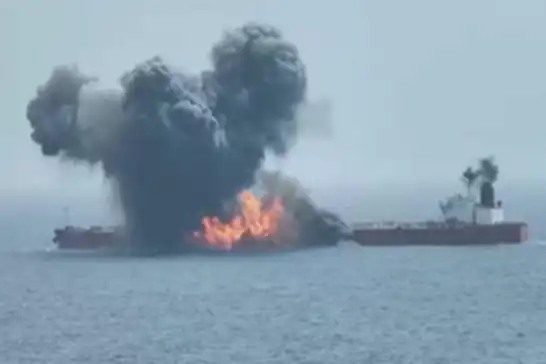
A supertanker attempting to navigate an unauthorized route south of the Strait of Hormuz struck two naval mines and caught fire, according to the Islamic Revolutionary Guard Corps Navy (IRGC Navy).
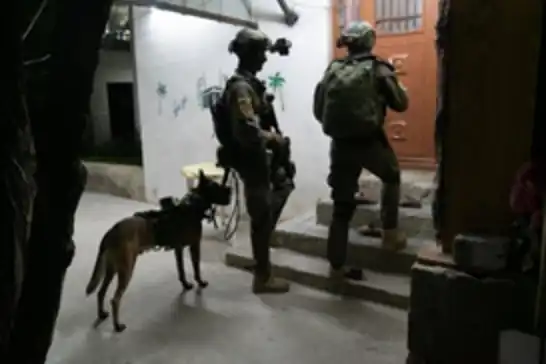
Israeli occupation forces carried out a wave of raids across several areas of the occupied West Bank overnight and early Monday, detaining a number of Palestinians and assaulting residents during searches of homes and refugee camps, according to local sources.
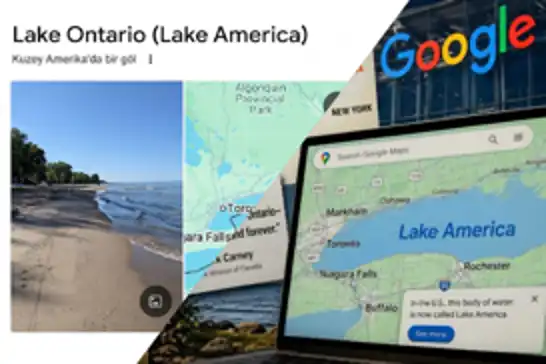
Google has updated its Maps application to display Lake Ontario as “Lake America” for users in the United States, following an executive order by President Donald Trump seeking to change the lake’s name.