Israel moves toward legalized killing of Palestinian prisoners
 13 oC

Güneşli

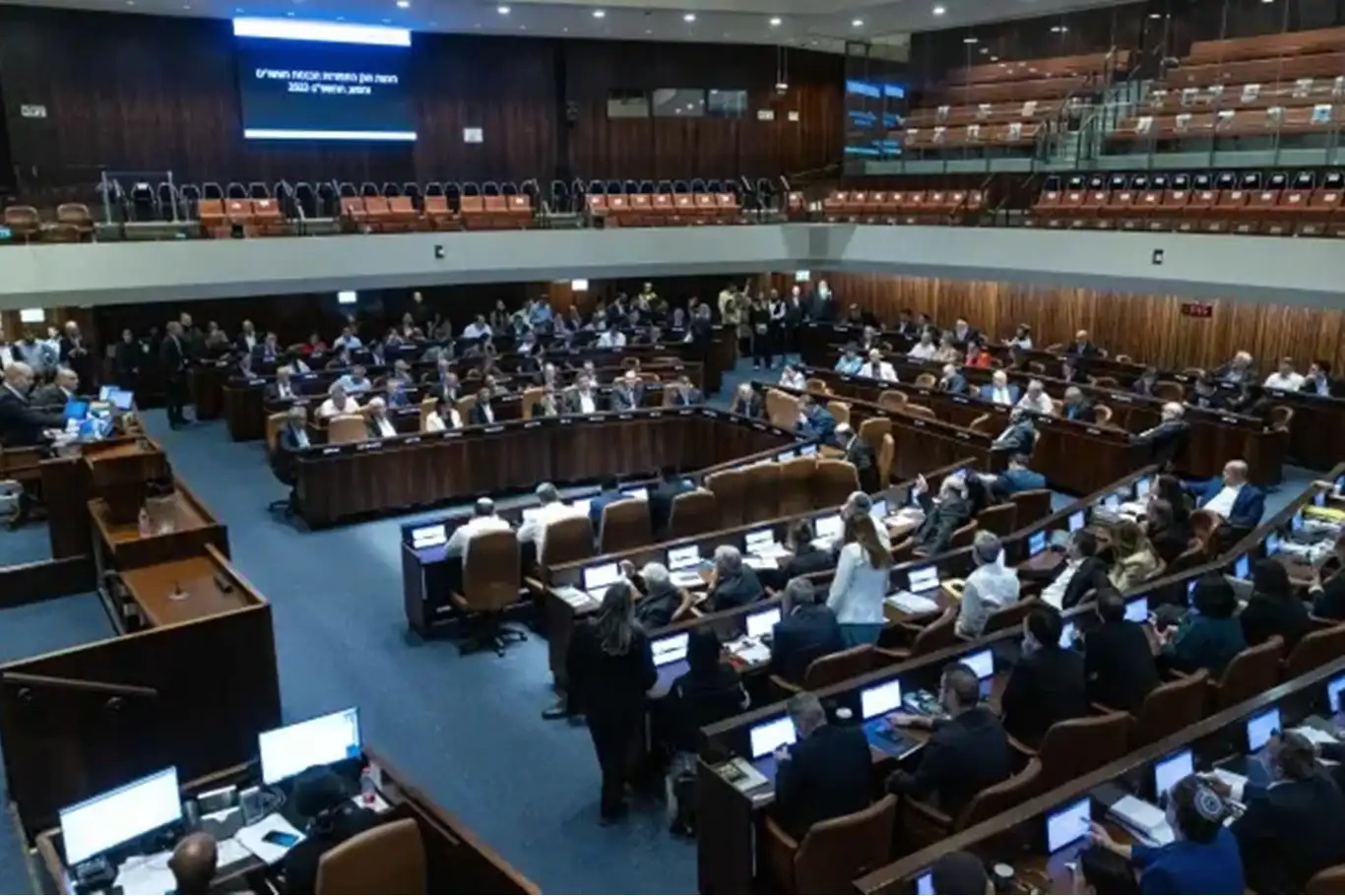
Israeli Knesset’s so-called National Security Committee convened on Sunday to advance a deeply controversial bill that would authorize the execution of Palestinian prisoners, a move widely condemned as another escalation in Israel’s racist and oppressive policies against the Palestinian people.
The bill, championed by far-right Israeli National Security Minister Itamar Ben-Gvir, was presented ahead of a planned first reading in the Knesset’s general assembly. During the heated session, Ben-Gvir openly rejected calls from close allies of Prime Minister Benjamin Netanyahu to delay the discussion, insisting instead that the legislation was “a matter of the hour.” He declared that “deterrence” could only be achieved by imposing death sentences on Palestinian prisoners, once again confirming the extremist government’s commitment to collective punishment and institutionalized violence.
This proposal is not new. It stems from coalition agreements forged between Netanyahu’s Likud party and Ben-Gvir’s Otzma Yehudit in late 2022, which paved the way for a far-right, openly fascist cabinet. In March 2023, the Knesset had already approved a preliminary reading of this death penalty law, tailored specifically to Palestinians, under the pretext of punishing those “convicted of killing Israelis.” Both Netanyahu and Ben-Gvir have since repeatedly pushed the measure forward, despite international outcry.
The draft law explicitly states that the death penalty would apply to anyone accused of causing the death of an Israeli “out of racial or ideological hatred, or with the aim of harming Israel.” Human rights defenders argue that the wording is deliberately one-sided, ensuring it targets Palestinians exclusively, while completely ignoring the countless cases of Israeli settlers and occupation soldiers who kill Palestinians with impunity.
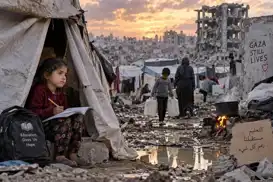
The timing of this push reflects the broader context of Israel’s ongoing war crimes in Gaza and the West Bank. Since October 2023, Israel’s relentless bombardment, siege, and military invasions have resulted in tens of thousands of Palestinian martyrs, the majority of them women and children, along with mass displacement and destruction of civilian infrastructure. In this climate of unprecedented brutality, Israeli leaders are now seeking to codify the execution of Palestinians into law, further stripping them of their most basic rights.
Palestinian officials and rights groups view the proposed law as another instrument of apartheid, ethnic cleansing, and state-sponsored terror. Critics warn that the bill not only violates international law but also paves the way for extrajudicial executions under a thin legal disguise.
By pushing forward such legislation while waging a genocidal war on Gaza and intensifying its repression in the West Bank, the Israeli regime sends a clear message: it intends to institutionalize death as a tool of governance against Palestinians, rather than pursue any path toward peace or justice. (ILKHA)
LEGAL WARNING: All rights of the published news, photos and videos are reserved by İlke Haber Ajansı Basın Yayın San. Trade A.Ş. Under no circumstances can all or part of the news, photos and videos be used without a written contract or subscription.
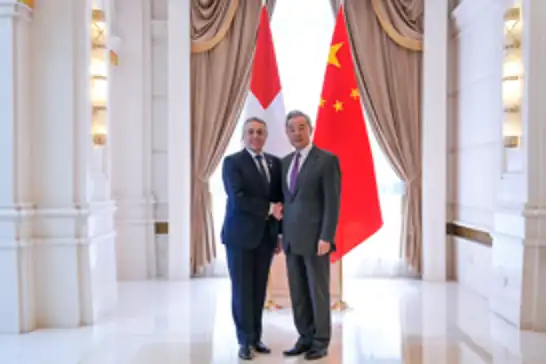
Chinese Foreign Minister Wang Yi has called on Switzerland to oppose "Taiwan independence" through concrete actions and play a constructive role in resolving economic and trade differences between China and the European Union.

Canadian Prime Minister Mark Carney joined comedians in poking fun at US President Donald Trump and Canadian political figures at an annual journalists' dinner in Ottawa, turning the event into a light-hearted political roast.

A court in the Netherlands has barred Chinese automaker BYD from selling its Ti7 SUV in the European Union, ruling that the vehicle infringes the design rights of British carmaker Jaguar Land Rover (JLR).
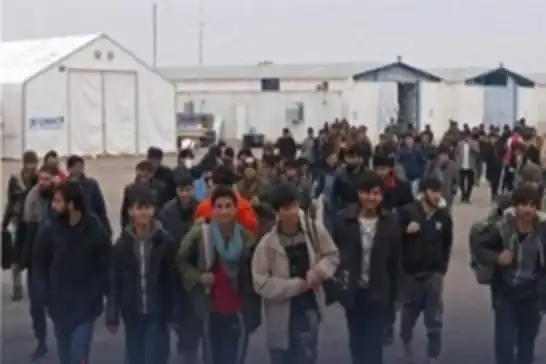
More than 6.5 million Afghans have returned to their homeland over the past three years, including nearly 3 million in 2025 alone, as large-scale movements from neighbouring countries continue to place enormous pressure on Afghanistan's fragile economy, housing market and public services, according to United Nations figures.