Japan culls more than 14,000 bears as attacks on people escalate
 13 oC
13 oC 
Güneşli

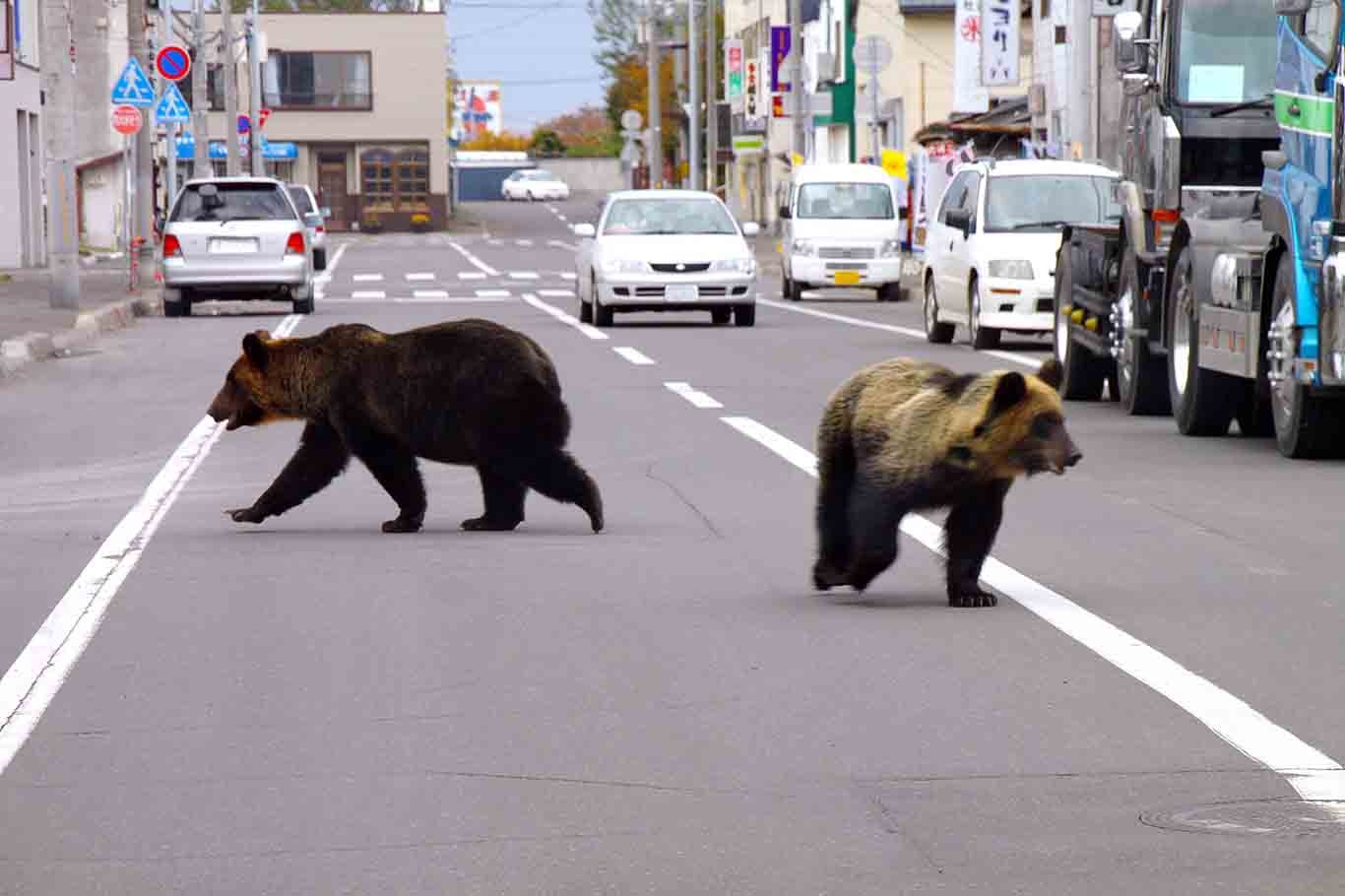
Japan has intensified measures against bears as the growing number of animals entering residential areas and even city centers has fueled a nationwide safety crisis. More than 14,000 bears were culled last year, while over 50,000 bear sightings and a series of fatal attacks indicate the problem remains unresolved.
Japan's escalating human-bear conflict has turned into one of the country's largest wildlife control operations. According to government data, more than 14,000 bears were captured and culled in 2025, nearly three times the number recorded a year earlier. Reports of bears entering residential areas also exceeded 50,000.
The increase in attacks claimed 13 lives and left 225 people injured last year, marking the deadliest year on record for bear-related incidents in Japan. Fatal attacks have continued into the 2026 fiscal year, with at least five people reported killed by the end of June.
Bears entering urban areas
The crisis is no longer confined to rural regions. In recent months, bears have been spotted in homes, schools, factories, shopping areas and city centers.
In Utsunomiya, Tochigi Prefecture, a bear roaming the streets for several days forced the temporary closure of all 94 elementary and junior high schools in the city before it was eventually tranquilized and captured.
In Fukushima, a bear attacked four people after entering two factories and a residential area. In Iwate Prefecture, a family encountered a bear inside the kitchen of their home after it broke into the house, opened the refrigerator, scattered food and then left the property.
More than 14,000 bears culled, attacks continue
Japan's campaign to control the bear population reached a record level during the last fiscal year, with 14,720 bears captured and culled. Other official figures indicate that 14,601 bears were directly culled.
Despite these efforts, attacks have continued. The Ministry of the Environment reported 50,776 bear sightings, the highest number since records began in 2009 and more than double the previous record set in the 2023 fiscal year.
The figures have intensified debate over whether culling alone can provide a lasting solution to the growing conflict between humans and wildlife.
Government plans new incentives for hunters
In response to the rising number of attacks, Japan's Ministry of the Environment is preparing measures aimed at increasing the number of hunters involved in bear control operations.
The ministry plans to exempt hunters participating in emergency culling operations near residential areas from hunting taxes and is expected to seek funding for the measure in the fiscal 2027 budget.
Authorities also face another challenge: Japan's hunting population is shrinking and aging, increasing concerns over the country's ability to manage bear numbers in the future.
Robot wolves deployed to scare bears away
Japan is also turning to technology in an effort to keep bears away from populated areas.
Some municipalities have deployed "Monster Wolf" robots, which emit flashing red lights along with howling and growling sounds to frighten bears.
The manufacturer said demand for the devices has risen sharply in 2026, with customers facing long waiting periods due to increased orders.
Experts point to broader causes
Experts say the increase in bear encounters is not solely the result of a growing bear population.
Climate change has reduced natural food sources such as acorns, forcing bears to search for food closer to human settlements. At the same time, depopulation in rural Japan has left abandoned homes, farms and gardens that make it easier for wildlife to move into inhabited areas.
Specialists argue that the crisis cannot be resolved through culling alone and that broader wildlife management policies, rural land management and stronger deterrent measures are needed to reduce encounters between bears and people.(ILKHA)
LEGAL WARNING: All rights of the published news, photos and videos are reserved by İlke Haber Ajansı Basın Yayın San. Trade A.Ş. Under no circumstances can all or part of the news, photos and videos be used without a written contract or subscription.

Canadian Prime Minister Mark Carney has rejected U.S. President Donald Trump’s decision to rename Lake Ontario as “Lake America,” insisting that Canada will continue to use the lake’s historic name.

Israeli occupation forces intensified raids and arrests across several parts of the occupied West Bank on Friday, storming Palestinian homes, firing tear gas and assaulting residents, while Israeli settlers carried out further attacks against Palestinians.

A magnitude-6.0 earthquake struck the Gulf of Aden early Friday between Somalia and Yemen, according to the United States Geological Survey (USGS).