Canada imposes retaliatory tariffs on U.S. goods as trade war escalates
 13 oC
13 oC 
Güneşli

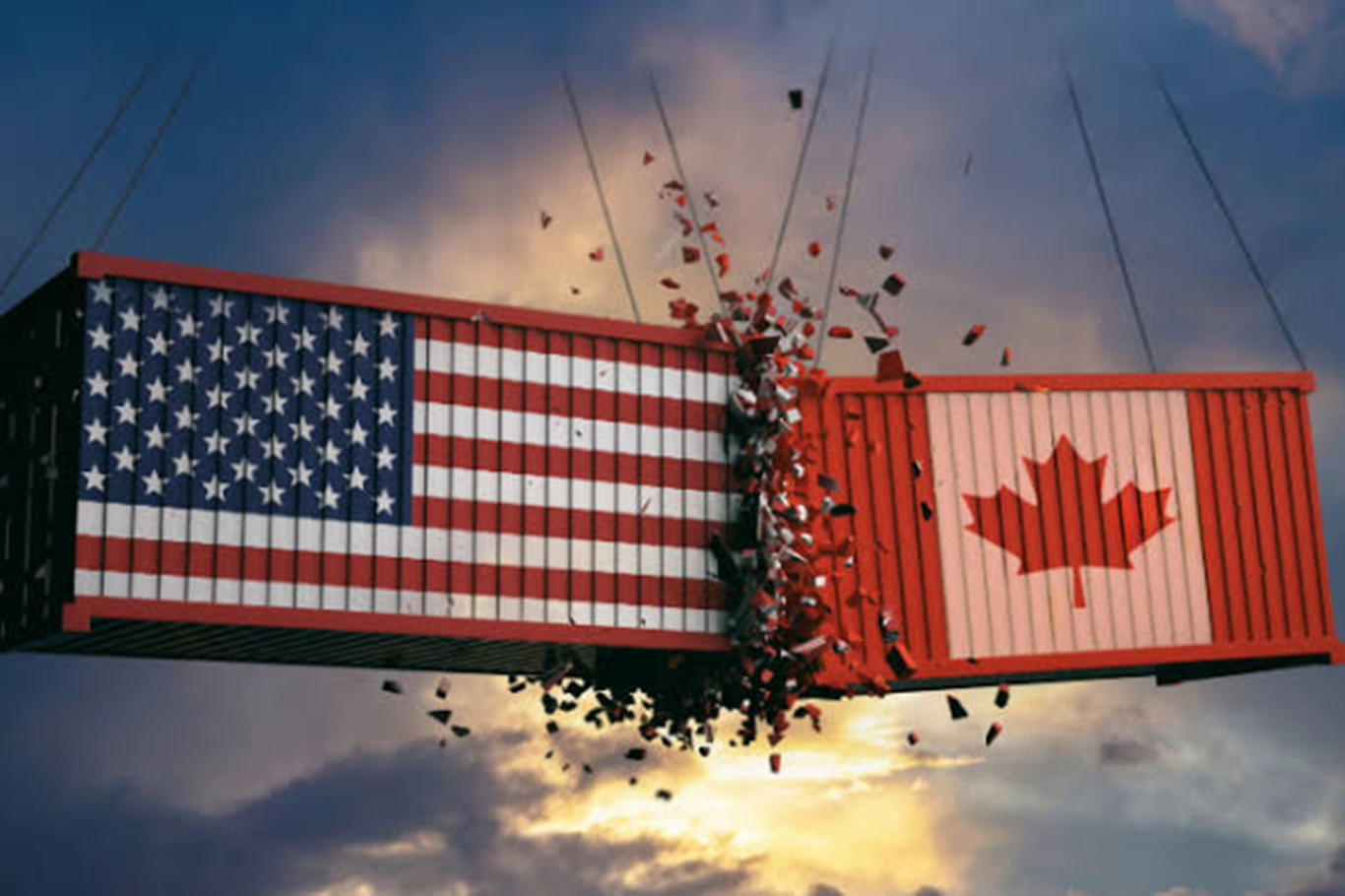
Canada has escalated its trade confrontation with the United States, imposing new tariffs of up to 50% on billions of dollars in American goods after negotiations between the two longtime allies collapsed.
The new Canadian counter-tariffs came into effect shortly after midnight Eastern Time on Tuesday, marking another major escalation in an increasingly bitter trade dispute that has now entered its 18th month.
The measures cover roughly $20 billion worth of U.S. imports, with tariffs ranging from 15% to 50% across a wide range of products, including steel, aluminum, furniture, clothing, electronics, appliances and agricultural goods.
The move follows Washington's decision to impose a 50% tariff on approximately $27.6 billion of Canadian goods effective August 22. Ottawa has pledged to respond on a “dollar-for-dollar, rate-for-rate” basis, arguing that Canadian businesses and workers must be protected from the impact of U.S. trade measures.
Canada Targets Key American Products
Under the new measures, some American products will face tariffs as high as 50%.
Steel and aluminum products, clothing and apparel are among the goods facing the highest rate. Other products, including dairy goods such as cheese and selected household appliances, are subject to 25% tariffs, while certain industrial products face a 15% duty.
The measures are designed to put pressure on U.S. producers while protecting Canadian industries that Ottawa says have been disproportionately affected by American tariffs.
Canada has also maintained its existing counter-tariffs on other U.S. products, including automobiles.
Ottawa initially considered additional tariffs on some seafood products but subsequently adjusted the list after concerns were raised about the potential impact on cross-border supply chains and the lobster industry.
Trade Negotiations Collapse
The latest escalation comes after weeks of negotiations aimed at reaching a broader trade agreement between Ottawa and Washington.
Canadian officials say negotiations were suspended after the United States presented terms that Ottawa considered unacceptable. Prime Minister Mark Carney's government has insisted that Canada will not accept an agreement it believes would undermine Canadian industries or national economic interests.
The collapse of talks has raised concerns about the future of the broader North American trade framework.
The United States-Mexico-Canada Agreement (USMCA) is already under increasing pressure as Washington and Ottawa remain divided over tariffs, market access and the future structure of their trading relationship. Reuters reported that the dispute is creating additional uncertainty as the agreement undergoes its review process.
Ottawa Announces Billions in Support
At the same time, the Canadian government has unveiled additional financial support for businesses and workers affected by the trade conflict.
Ottawa announced a C$7.5 billion package of new and enhanced measures, building on nearly C$25 billion in assistance previously introduced since the beginning of the tariff dispute.
The package includes additional funding to help small and medium-sized businesses manage liquidity pressures and adjust to disruptions in cross-border trade.
The government has also established measures intended to help Canadian companies diversify their export markets and reduce their dependence on the U.S. economy.
Economic Fallout Spreads
The consequences of the trade war could extend well beyond the industries directly targeted by the tariffs.
The United States and Canada maintain one of the world's largest bilateral trading relationships, with hundreds of billions of dollars in goods moving across their shared border every year.
Canada is particularly dependent on access to the U.S. market, with the vast majority of its exports traditionally destined for its southern neighbor. That dependence gives Washington considerable economic leverage, but Canadian officials and economists have also pointed to areas where the United States relies heavily on Canadian supplies, including energy and critical industrial inputs.
Recent Canadian trade data have already shown signs of pressure. Canada's trade surplus narrowed sharply in July as exports of energy and metal products declined while imports increased, according to Reuters.
American manufacturers and agricultural producers could also feel the effects of Ottawa's retaliation, particularly in states with deep commercial ties to Canada.
Tensions Rise Beyond Tariffs
The dispute has increasingly spilled into other areas of the bilateral relationship.
On Monday, U.S. President Donald Trump threatened Canadian aircraft manufacturer Bombardier with restrictions on sales in the United States, adding another potential flashpoint to already strained relations.
The growing confrontation has also encouraged some Canadian consumers and businesses to reduce their reliance on American products and suppliers, while policymakers in Ottawa are looking more aggressively toward diversification of trade and investment.
For now, there is no clear sign of an immediate breakthrough in negotiations.
With Washington and Ottawa maintaining sharply different positions, businesses on both sides of the border face mounting uncertainty over tariffs, supply chains and market access.
What began as a dispute over individual products has increasingly developed into a broader confrontation over the future of economic relations between two deeply integrated economies — raising the prospect of prolonged disruption unless both governments return to the negotiating table. (ILKHA)
LEGAL WARNING: All rights of the published news, photos and videos are reserved by İlke Haber Ajansı Basın Yayın San. Trade A.Ş. Under no circumstances can all or part of the news, photos and videos be used without a written contract or subscription.

Saudi Arabia’s Delta Energy International has signed a 25-year contract with Afghanistan’s Ministry of Mines and Petroleum to explore and extract oil and natural gas from the Kushk–Tirpul field in western Herat province.

Afghanistan’s Ministry of Mines and Petroleum has signed a one-year contract worth $2.8 million with TNG, a company based in Russia’s Tatarstan region, to provide supervisory and consulting services at the Amu Darya oil field.

Türkiye is targeting a gradual acceleration in economic growth to 5% by 2029 while seeking to bring inflation down to single digits, Vice President Cevdet Yılmaz said Sunday as the government unveiled its new three-year Medium-Term Program (MTP).